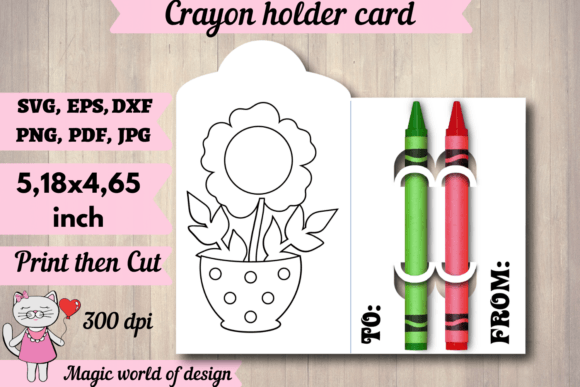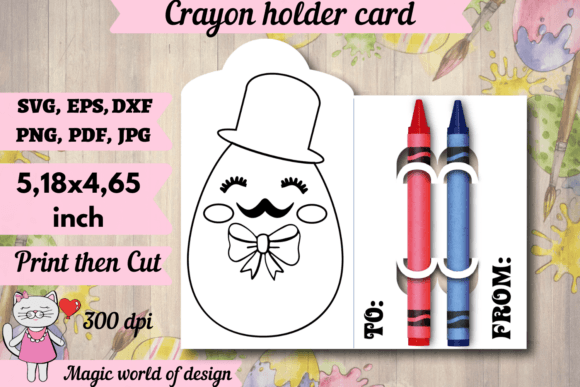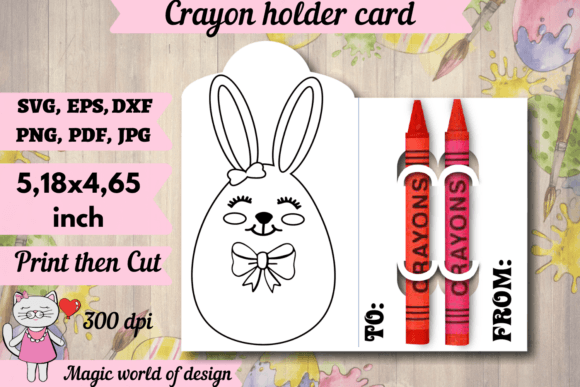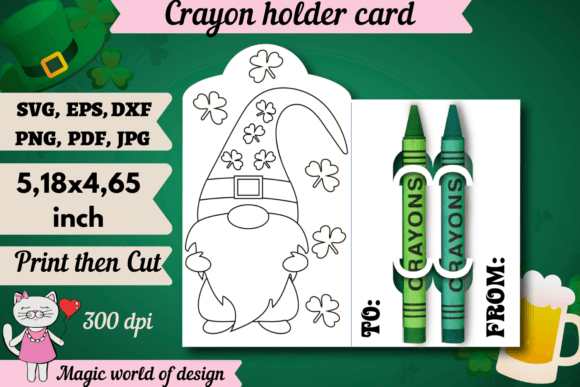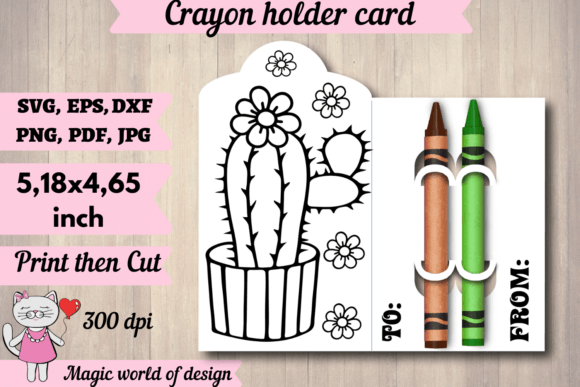
Cactus Coloring Card Holder SVG: A Crafter's Review
As a designer who constantly bridges the gap between digital graphics and tangible textile art, I approach every new file with a specific question: will this actually translate into a high-quality finished product? When evaluating the Cactus Coloring Card Holder Svg, Party F, my perspective shifts from simple graphic appreciation to practical manufacturing analysis. While this asset is primarily categorized under Graphics for print-and-cut machines like Cricut or Silhouette, its potential in the embroidery studio is significant if approached with the right technical mindset. For Etsy sellers, small shop owners, and makers looking to expand their inventory beyond standard vinyl decals, understanding how to adapt this design for needle and thread is where the real value lies.
First Impressions and Design Personality
My initial assessment of the Cactus Coloring Card Holder Svg, Party F focuses on its visual hierarchy and line integrity. The design carries a playful, interactive mood that immediately suggests engagement rather than passive decoration. Unlike static floral motifs, this graphic invites participation through coloring, which changes how we should treat it as an embroidery project. The lines are clean and purposeful, designed originally for cutting blades, but they possess the necessary continuity to serve as excellent running stitch outlines or applique guides.
For a handmade product, this design feels approachable and versatile. It avoids the overly intricate details that often plague machine embroidery designs converted from complex illustrations. Instead, it offers bold shapes and clear negative space. This simplicity is a strength for craft business owners because it reduces stitch count while maximizing visual impact. Whether intended for Mother’s Day gifts or school party treats, the aesthetic strikes a balance between juvenile fun and boutique charm, making it suitable for both kids' items and adult crafting events.
Real-World Application: The Interactive Tote Bag
To truly test the viability of this asset, I mentally prototyped a custom embroidered tote bag intended for a spring craft fair. In this scenario, the Cactus Coloring Card Holder Svg, Party F serves as the centerpiece of an interactive gift set. Rather than just stitching the cactus, I envision using the design to create a functional pocket or holder directly onto canvas fabric. The dimensions mentioned in the product description suggest a compact footprint, which is ideal for keeping embroidery density manageable on medium-weight textiles.
In this real-life application, the design transforms from a digital file into a value-added feature. Customers at a market stall aren't just buying a bag; they are buying an activity. For apparel decorators, this concept translates beautifully to sweatshirt embroidery or apron fronts where the "holder" aspect can be stitched as a functional patch. By treating the SVG lines as placement guides for fabric pieces, you create a textured, multi-dimensional effect that pure ink printing cannot achieve. This elevates the perceived value of the item, justifying a higher price point for personalized gifts and commercial embroidery projects.
Technical Considerations for Stitch Translation
Adapting a cut file for embroidery requires careful attention to stitch type and fabric interaction. Because the Cactus Coloring Card Holder Svg, Party F was likely designed with vector points for blades, you must verify the pathing before sending it to your machine. Straight lines in a graphic editor do not always equate to efficient satin stitch or fill stitch paths in digitizing software. I recommend tracing the SVG manually rather than relying on auto-digitizing features to ensure the stitch direction supports the structural integrity of the card holder.
Fabric texture plays a massive role here. On smooth cotton or linen, the design will render crisply. However, if you are attempting this on textured fabrics like terry cloth towels or fleece blankets, the fine lines defining the coloring areas may get lost. In such cases, increasing the stitch density or adding a topping stabilizer is non-negotiable. For stretchy fabrics like jersey knits used in baby embroidery or t-shirts, the design needs a robust cutaway stabilizer to prevent the "holder" portion from distorting during use. Always remember that a graphic meant for paper has no inherent tension settings; you must engineer that stability yourself.
Where to Exercise Caution
While versatile, this design has limitations that experienced makers must respect. Small hoop sizes can be tricky if the functional aspect of the card holder requires precise alignment marks. If your machine’s hoop is too small to accommodate the full width plus necessary registration marks, consider splitting the design or resizing only if the proportions remain intact. Distorting the aspect ratio to fit a hoop will ruin the functionality of a card slot.
Dark fabrics present another challenge. Since this is a coloring card concept, the base is typically assumed to be white or light-colored to accept markers or crayons. Stitching this on black or navy fabric negates the primary function unless you specifically stitch a white felt or twill base layer first. Additionally, avoid placing detailed corners or tiny lettering near the edge of curved surfaces like caps. The distortion inherent in cap embroidery can make precise slots unusable. Always test on scrap fabric that matches your final project weight before committing to expensive blanks.
Elevating Brand Value and Customer Trust
Using the Cactus Coloring Card Holder Svg, Party F effectively signals professionalism when executed correctly. Buyers can instantly tell the difference between a hastily auto-digitized file and a thoughtfully constructed embroidery project. Clean edges, appropriate stabilizer choices, and functional accuracy build customer trust. For Etsy sellers, listing photos should clearly demonstrate the interaction—show a marker being used on the embroidered surface or a card tucked securely into the stitched holder.
This level of presentation enhances brand consistency. It shows that you understand your materials and your audience. When selling digital embroidery files derived from this graphic, include notes on recommended stabilizers and fabric types. Providing this technical guidance protects your reputation and reduces customer service inquiries. Furthermore, verifying licensing is critical. Ensure you have the commercial rights to sell finished products or modified digital assets. Respecting intellectual property is foundational to a sustainable craft business.
Designer Notes for Successful Execution
Before launching this design into production, follow these practical steps to ensure quality:
- Test Stitchout: Never skip testing on scrap fabric identical to your final project to check tension and registration.
- Contrast Check: Verify thread colors against the fabric background; low contrast makes coloring guidelines invisible.
- Stabilizer Selection: Match stabilizer weight to fabric stretch; use tear-away for stable woven fabrics and cutaway for knits.
- Mockup Validation: Create printable mockups in black and white to assess value contrast before threading the needle.
- Licensing Review: Confirm whether the original SVG license permits derivative embroidery sales or personal use only.
- Wash Testing: If intended for frequent washing (like tea towels), test washability to ensure stitches don't pucker or detach.
- Functional Test: Physically insert a card or marker into the finished prototype to confirm the dimensions work in reality, not just on screen.
By treating the Cactus Coloring Card Holder Svg, Party F as a technical blueprint rather than just a cute graphic, you unlock its full potential. Whether creating holiday embroidery for seasonal markets or developing a new line of interactive baby items, success lies in respecting the translation process from screen to stitch. Thoughtful adaptation turns simple graphics into premium handmade products that delight customers and grow your creative enterprise.