Cutest Clover in the Patch SVG: Lucky Design Review
As a professional embroidery designer and product reviewer, I approach every new digital asset with a critical eye. When evaluating the Cutest Clover in the Patch Svg, Lucky, my first thought isn't just about how cute it looks on a screen; it is about how those vector lines will translate into physical thread on fabric. In the world of Crafts and Graphics, there is often a disconnect between a pristine digital file and a successful finished product. After analyzing this design, I see significant potential for both personal makers and commercial creators, provided you understand its specific structural characteristics.
First Impressions: Whimsy Meets Structural Integrity
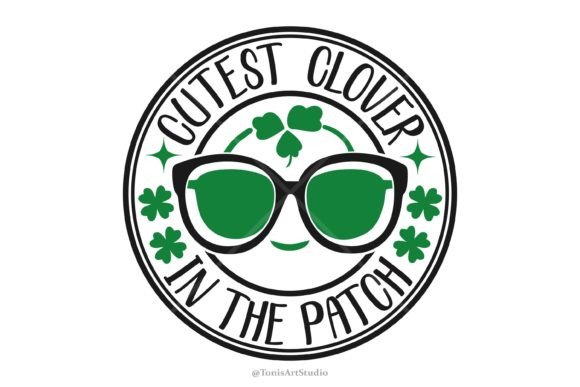
The immediate mood of the Cutest Clover in the Patch Svg, Lucky is undeniably cheerful. It strikes a balance between traditional folk art and modern kawaii aesthetics. For an Etsy seller or small shop product creator, this visual personality is crucial. It doesn't look stiff or overly corporate; it feels handmade and intentional. However, as a reviewer, I am looking past the charm to assess the geometry. The clover shape relies heavily on smooth curves and distinct lobes. In an embroidery file, these curves must be mathematically precise to avoid jagged edges when stitched. This design appears to respect the natural flow of thread, suggesting it was created with stitching mechanics in mind rather than just being a converted raster image.
The "patch" aspect implies a defined border or outline, which is excellent news for versatility. A self-contained shape like this functions beautifully as an applique design or a standalone embroidered patch. It creates a natural boundary that helps contain stitch density, making it safer for lighter weight fabrics compared to sprawling, open-ended designs.
Real-World Application: Stitching a Spring Tote Bag
To truly judge this machine embroidery design, I mentally placed it in a real-life production scenario. Imagine preparing a custom canvas tote bag design for a St. Patrick’s Day market or a spring boutique launch. Canvas is unforgiving; it hides nothing. If the registration is off or the stitch density is too high, the fabric puckers. If it is too low, the canvas grain shows through unpleasantly.
In this scenario, the Cutest Clover in the Patch Svg, Lucky serves as an ideal focal point. Because the design is compact and likely utilizes a combination of satin stitch borders and fill stitch interiors, it provides enough coverage to look substantial on canvas without causing excessive needle perforations. For a craft business, this efficiency matters. You aren't wasting thread or time on unnecessary underlay. Furthermore, the "lucky" theme adds narrative value to the handmade product. Customers aren't just buying a bag; they are buying a sentiment. This emotional connection increases the perceived value of custom apparel and accessories, turning a simple graphic into a meaningful personalized gift.
Navigating Fabric Variables and Hoop Limitations
While versatile, this design requires strategic placement. As with any digital embroidery file, context dictates success. Here is where you need to exercise caution:
- Stretchy Fabrics: If applying this to a knit sweatshirt or baby onesie for baby embroidery, the defined patch shape can act as a rigid island on flexible fabric. You must use appropriate stabilizer (likely a cut-away) to prevent the clover from distorting the garment's drape.
- Small Hoop Sizes: Verify your machine's capabilities before purchasing. While the clover is likely scalable, reducing it too much for a 4x4 hoop might cause the inner details to merge. Always check the minimum recommended size to maintain stitch clarity.
- Textured Surfaces: On terry cloth towels or fleece blankets, the fine details of a "cute" face or leaf veins can get lost. For holiday embroidery on textured items, consider using a water-soluble topping to keep the stitches crisp and visible.
- Curved Surfaces: If adapting this for cap embroidery, remember that flat SVG vectors distort when mapped to a curved hat frame. Test the distortion first; you may need to slightly widen the design horizontally to compensate for the curve.
Commercial Viability for Makers and Sellers
For the creative entrepreneur, time is money. The Cutest Clover in the Patch Svg, Lucky scores high on production efficiency. Its contained shape means faster run times compared to full-back prints, allowing for higher margins on commercial embroidery projects. Additionally, because it is a vector-based SVG, it scales exceptionally well for printable mockups. Before you even thread a needle, you can create professional listing photos showing the design on various design assets like mugs, shirts, and pillows. This flexibility is vital for testing market demand before committing to physical inventory.
However, brand consistency is key. This design has a specific playful aesthetic. It pairs perfectly with pastel threads, gingham backgrounds, and vintage-style fonts. It might clash if paired with aggressive gothic typography or neon industrial colors. Ensure this embroidery project aligns with your existing shop identity to maintain buyer trust and recognition.
Essential Designer Notes for Success
Before you load this file into your machine or list it in your shop, adhere to these professional best practices:
- Verify Licensing: The product description welcomes you to the design, but always confirm the specific commercial license terms. Can you sell the physical embroidered item? Can you use it in digital mockups? Clarify this to protect your craft business.
- Test Stitch-Out: Never skip the test run. Use scrap fabric similar to your final project. Check if the running stitch outlines align perfectly with the fill areas. Registration errors are the enemy of professional results.
- Thread Color Contrast: Test the design in both high-contrast (white clover on green fabric) and low-contrast (green clover on green fabric) scenarios. Sometimes, tone-on-tone thread colors reveal texture better than stark contrasts, especially for nursery decor.
- Check File Compatibility: While SVG is standard for cutting machines and some embroidery software, ensure you have the correct digitized format (PES, DST, JEF, etc.) for your specific embroidery machine. An SVG is often a source file, not always a direct stitch file.
- Evaluate Washability: If making custom apparel or kitchen linens, wash the test sample. Cute designs often have delicate satin stitches that can snag. Ensure the stitch density holds up to laundering without unraveling.
Final Verdict on Design Utility
The Cutest Clover in the Patch Svg, Lucky is more than just seasonal clipart; it is a functional design element with strong commercial and personal utility. Its structure supports a wide range of applications, from delicate baby embroidery to sturdy tote bags. By respecting the technical requirements of fabric texture, hoop size, and stabilization, you can transform this digital graphic into a high-quality finished product that delights customers and stands the test of wear. Whether you are an experienced Etsy seller expanding your St. Patrick's Day line or a hobbyist making a personalized gift, this design offers the right blend of charm and stitch-ability to succeed in your next embroidery project.