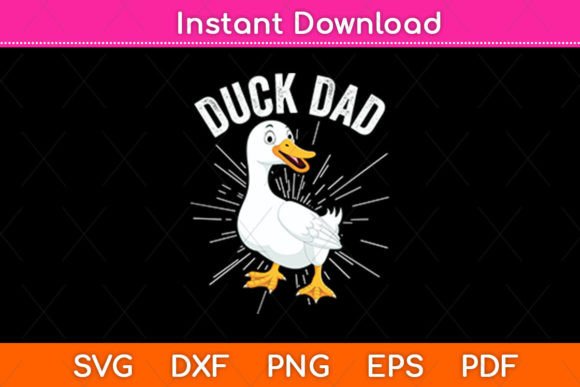
Duck Dad Ducks Lover SVG: An Embroidery Review
As a professional embroidery digitizer and product reviewer, I approach every new graphic with a specific question: will this translate beautifully from screen to stitch? When evaluating the Duck Dad Ducks Lover Svg Design, my focus shifts immediately from its intended use as a cutting file to its potential as a machine embroidery design. While this product is marketed as an instant download for Cricut Explore, Cricut Maker, and Silhouette Cameo users, creative entrepreneurs and apparel decorators often look to adapt these Graphics for needle and thread. The transition from vinyl to thread requires a critical eye for detail, density, and fabric compatibility.
First Impressions and Visual Personality
Upon opening the file, the design presents a clear, whimsical mood that appeals directly to niche markets. The "Duck Dad" theme carries a lighthearted, familial warmth that is currently trending in personalized gift categories. Visually, the layout suggests a balanced composition, likely featuring bold typography paired with illustrative duck elements. For an embroidery project, this balance is crucial. A design that is too text-heavy can become dense and stiff on fabric, while one that is too illustrative might lose definition at smaller sizes.
The personality of this graphic feels best suited for casual, heartfelt items rather than formal wear. It evokes images of weekend outings, nursery decor, and playful family matching sets. As a reviewer, I appreciate designs that communicate their intended audience instantly. This asset clearly targets fathers, grandfathers, and duck enthusiasts who value humor and sentimentality over high-fashion aesthetics. However, because this is originally an SVG for cutting machines, the lines are likely optimized for blades, not needles. This distinction dictates how we must prepare it for commercial embroidery or custom apparel.
Real-World Application: The Custom Sweatshirt Test
To truly judge the viability of the Duck Dad Ducks Lover Svg Design, I mentally place it in a real-life production scenario. Imagine preparing a custom embroidered sweatshirt for an Etsy seller’s "Father’s Day" collection. Sweatshirts are typically made of fleece or French terry, fabrics that have texture and stretch. If I were to stitch this design directly onto a heavyweight hoodie, I would first need to assess the line weight.
Cutting files often feature thin, uniform lines that look elegant in vinyl but can disappear in thread. For this sweatshirt project, I would likely convert key outline elements into satin stitch columns or add a fill stitch background to ensure visibility against the fleece texture. The "Duck Dad" text would need to be substantial enough to prevent puckering but open enough to maintain the garment's drape. If the design includes intricate feather details on the ducks, I would simplify them for embroidery; otherwise, the stitch density could create a bulletproof patch that feels uncomfortable against the skin.
This scenario highlights the difference between a digital product and a finished product. A customer buying a handmade sweatshirt expects softness and durability. By adapting this SVG thoughtfully, perhaps turning it into an applique design where the duck bodies are fabric rather than thousands of fill stitches, we preserve the comfort of the custom apparel while showcasing the charming graphics.
Navigating Fabric Limitations and Hoop Sizes
Not every surface is friendly to this type of artwork. When planning to use the Duck Dad Ducks Lover Svg Design across various products, caution is necessary. Small hoop sizes present the biggest challenge. If you attempt to shrink this design down for a baby embroidery onesie or a cap, fine details may merge. Text that reads perfectly at four inches wide might become illegible at two inches. Always verify the minimum size requirements before committing to small-scale projects like patches or sleeve cuffs.
Fabric texture also plays a massive role. On smooth cotton quilting fabric or tea towels, the design will likely render crisply with minimal modification. However, on textured fabrics like canvas tote bags or ribbed knits, the design needs help. You must use the appropriate stabilizer to prevent distortion. For a tote bag design, a cut-away stabilizer is often superior to tear-away to support the weight of the stitches during frequent washing and heavy use. Conversely, on stretchy performance fabrics, the design might require a lightweight mesh stabilizer and potentially a reduction in stitch density to avoid tunneling.
Dark fabrics introduce another variable. If the original SVG relies on negative space or white outlines, those elements must be explicitly stitched when working on navy or black garments. Unlike vinyl, which sits on top of the fabric, embroidery integrates with it. You cannot rely on the fabric color to define internal shapes unless you specifically digitize underlay or contrast running stitches to map out those boundaries.
Commercial Value and Brand Consistency
For small business owners and craft business operators, the value of this design extends beyond a single project. It serves as a versatile asset for building brand consistency within a niche. Using the Duck Dad Ducks Lover Svg Design across multiple mediums—perhaps as a vinyl decal on a mug and an embroidered logo on a hat—creates a cohesive product line. However, professionalism hinges on execution. A sloppy embroidery job damages customer trust just as much as a peeling vinyl decal.
When listing finished products on platforms like Etsy, your printable mockup should accurately reflect the texture of the embroidery. Do not use a flat vector image to represent a stitched item. Buyers need to see how the thread colors interact with the fabric texture. Furthermore, clarity in stitching translates to perceived value. Clean satin stitch borders, properly trimmed jumps, and stable registration marks signal to the buyer that they are purchasing a quality handmade product, not a mass-produced factory item.
This design also holds potential for holiday embroidery and seasonal merchandise. The "Dad" angle makes it evergreen for Father’s Day, but with minor color adjustments, it fits spring or Easter collections. This versatility maximizes the return on investment for digital embroidery file purchases, allowing sellers to keep their shops active year-round with relevant design assets.
Essential Designer Notes Before Stitching
Before you load this design into your machine or send it to a commercial embroidery service, adhere to these practical guidelines:
- Verify Licensing: Since this is an instant download for cutting machines, confirm whether the license permits commercial embroidery use or digitizing for resale. Never assume rights transfer between mediums.
- Test on Scrap Fabric: Always run a sew-out on the exact fabric you intend to use for the final product. Check for registration issues between the text and the duck illustrations.
- Check Thread Color Contrast: Ensure your chosen thread colors provide sufficient contrast against the garment. Test in both natural and artificial lighting.
- Review Stitch Density: If digitizing this SVG yourself, avoid excessive overlap. High density leads to needle breaks and fabric damage.
- Confirm Hoop Size: Measure the design dimensions after any resizing. Ensure it fits your machine’s maximum embroidery area without distorting the aspect ratio.
- Inspect Small Details: Look for tiny serifs or thin lines in the typography. These may need to be removed or thickened to prevent thread breaks.
- Use Proper Stabilizer: Match the stabilizer weight to the fabric and design density. Heavier designs on lighter fabrics require more support.
- Mockup Realistically: Create black and white mockups to test value contrast before adding color. This ensures the design reads well regardless of hue.
The Duck Dad Ducks Lover Svg Design offers a delightful foundation for makers and decorators, provided it is treated with the technical respect embroidery demands. By understanding the interplay between digital vectors and physical thread, you can transform this simple graphic into a cherished personalized gift or a profitable shop staple. Remember, successful embroidery is less about the file you start with and more about the decisions you make during the translation process. Happy stitching!