End of the School Year Shirt: A Designer's Review
As an embroidery digitizer and product reviewer, I approach every new graphic asset with a specific question: will this actually stitch out cleanly on fabric? When evaluating the End of the School Year Shirt design package, my focus shifts immediately from screen resolution to needle penetration. While the product description highlights high-resolution EPS, SVG, and PNG files at 4500x5400 pixels, these are primarily print-ready graphics. For those of us in the Crafts sector looking to create physical merchandise, understanding how to translate these crisp vector lines into a viable machine embroidery design is the difference between a professional finish and a thread nest.
First Impressions and Visual Hierarchy
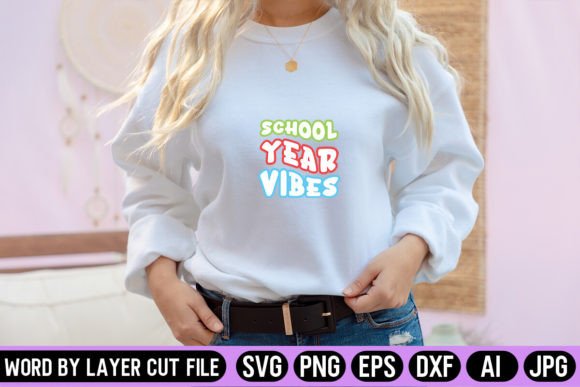
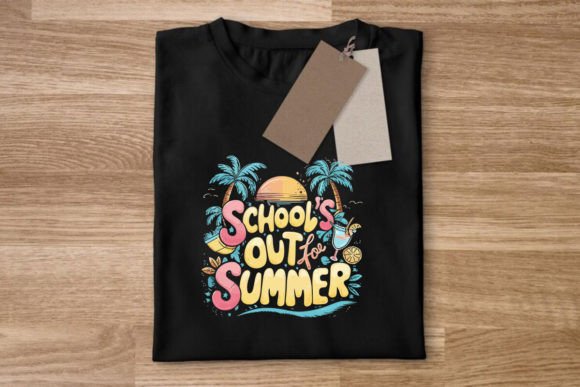
Visually, the End of the School Year Shirt captures a nostalgic yet celebratory mood that resonates deeply with parents, teachers, and students. The layout suggests a bold central motif, likely utilizing clean lines and distinct color blocks that are ideal for translation into thread. As a designer, I appreciate graphics that do not rely on subtle gradients or watercolor effects, as those are notoriously difficult to replicate with standard fill stitch or satin stitch techniques without excessive density. This design appears to respect the limitations of thread, offering clear separation between elements which is crucial for maintaining visual clarity when stitched on textured fabrics like cotton tees or fleece sweatshirts.
The high pixel dimensions provided in the Graphics package serve as an excellent reference map. When I import the SVG into my digitizing software, the 4500x5400 canvas allows me to trace accurately without pixelation artifacts interfering with node placement. This precision is vital when defining the boundaries for an applique design or setting stop points for color changes. The visual personality feels modern and versatile, making it suitable for both personal keepsakes and commercial inventory.
Real-World Application: Stitching a Teacher Appreciation Tote
To truly evaluate this asset, I mentally applied it to a recent client request: a custom canvas tote bag for a retiring teacher. Tote bags present unique challenges due to their heavy weave and lack of stretch. Using the End of the School Year Shirt graphic as a base, I planned a hybrid approach. The main text and outer borders would utilize a sturdy satin stitch to frame the design, while internal details would use lighter running stitch work to prevent the canvas from becoming too stiff or bulletproof.
In this scenario, the design’s composition works beautifully because it allows for scaling. A tote bag offers a large embroidery field, but the same graphic could be reduced for a pocket-sized logo on a polo. However, because the source files are raster and vector graphics rather than pre-digitized embroidery file formats, I had to manually assign stitch types. This extra step is worth it for the customization it affords. For the teacher’s tote, I opted for matte rayon threads to reduce glare, giving the finished product a sophisticated, handmade aesthetic rather than a mass-produced look. The result was a personalized gift that felt intentional and high-value, directly attributable to the clean line work of the original artwork.
Navigating Fabric Limitations and Hoop Sizes
While the End of the School Year Shirt design is versatile, it requires careful consideration regarding substrate selection. Because this is a graphic asset intended for adaptation, you must verify your hoop size capabilities before committing to a project. If you are working with small hoops (4x4 or smaller), intricate details in the original 4500px artwork may need to be simplified. Tiny lettering or thin decorative accents often get lost or cause registration issues in small formats. I always recommend testing complex areas on scrap fabric first to ensure legibility.
Fabric texture also dictates how you interpret this design. On smooth cotton, a direct stitch translation works well. However, if you are creating custom apparel using performance wear or stretchy knits, the design density must be adjusted. Heavy fill areas can distort stretchy fabric, causing puckering even with proper stabilizer. For these materials, consider converting solid fills to appliqué or reducing stitch density significantly. Conversely, on dark fabrics, ensure there is enough contrast in your thread colors; the digital preview might look fine, but low-contrast stitching disappears under studio lighting or in product photography.
Be particularly cautious with curved surfaces like caps. The flat perspective of the PNG/SVG does not account for the distortion inherent in cap embroidery. You may need to warp the design slightly in your software to compensate for the curve, ensuring the "End of the School Year" text remains level across the forehead panel.
Commercial Viability for Etsy Sellers and Makers
For Etsy sellers and small business owners, this design package represents a strong foundation for seasonal revenue. The "End of School" niche is time-sensitive but high-volume. Because you receive source graphics rather than locked embroidery files, you have the creative freedom to offer variations that competitors cannot. You can easily recolor the design for different school mascots, add personalized names, or adapt it for various products ranging from baby embroidery onesies for graduating seniors' siblings to holiday embroidery ornaments for staff gifts.
From a branding perspective, consistency builds trust. Using high-quality source art ensures that your printable mockup matches the final stitched output. Customers are increasingly savvy; they can tell when a design has been poorly auto-digitized. By taking the time to properly adapt the End of the School Year Shirt graphics with appropriate stitch angles and pull compensation, you elevate your shop’s perceived value. This attention to detail transforms a simple seasonal item into a premium handmade product that justifies a higher price point and encourages repeat business.
Essential Technical Notes for Success
Before listing any finished product or selling digital derivatives, adhere to these practical guidelines:
- Verify Licensing: Confirm whether the license permits commercial use of finished embroidered goods versus digital resale. Never assume rights based solely on file format.
- Digitize Responsibly: Since EPS/SVG/PNG are not stitch files, use professional digitizing software or hire a digitizer to convert them. Auto-digitizing tools rarely produce retail-quality results for complex designs.
- Test Stitch Density: Always run a sew-out on the actual fabric you intend to sell. Check for gaps, puckering, or excessive stiffness. Adjust underlay stitches to stabilize the fabric before top stitching.
- Mockup Accuracy: Use the provided high-res PNG for digital listings, but overlay a realistic stitch texture filter so buyers understand they are purchasing an embroidered item, not a printed shirt.
- Thread Contrast Check: View your digitized file in black and white within your software. If the design relies solely on color to define shapes, it will fail in monochrome embroidery. Ensure structural definition exists independent of color.
- Stabilizer Selection: Match stabilizer weight to design density. A dense satin border requires cut-away stabilizer on knits, while a lightweight running stitch motif might only need tear-away on woven cotton.
The End of the School Year Shirt package offers immense potential for makers who understand the bridge between digital art and textile craft. It provides the raw materials necessary for professional-grade commercial embroidery, provided the user applies technical expertise during the digitization phase. Whether you are crafting a sentimental personalized gift or stocking your shop with seasonal bestsellers, treating this graphic as a blueprint rather than a final product will yield the most durable and visually appealing results. Always respect the physics of thread and fabric, and this design will serve as a reliable asset in your creative arsenal.