In My First at School Era Groovy Retro Review
As a designer who spends more time behind an embroidery machine than a computer screen, I approach every new graphic with a healthy dose of skepticism. When evaluating In My First at School Era Groovy Retro, my first thought isn't just about the aesthetic appeal; it is about how those vector shapes will translate into physical thread. This design captures a specific nostalgic mood that is currently dominating the Crafts category, but for those of us running a craft business or managing an Etsy shop, nostalgia doesn't pay the bills unless the final finished product holds up to washing, wearing, and customer scrutiny.
Translating Vector Graphics to Stitch Reality
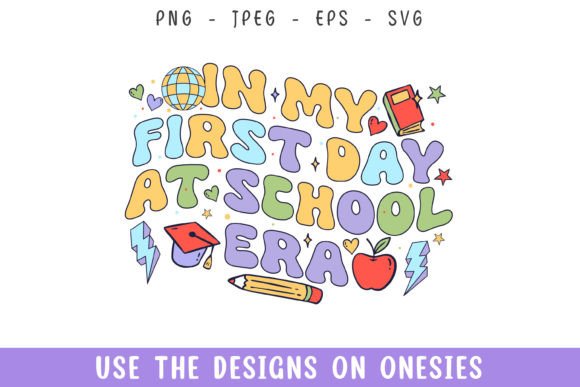
The product description highlights that this asset is made with 100% vector shapes and is fully resizable. From a technical standpoint, this is excellent news for machine embroidery design work. Vectors provide clean edges, which usually results in smoother digitizing paths compared to rasterized pixel art. However, "resizable" does not always mean "universally stitchable." When I look at the groovy, bubbly typography typical of this retro style, I immediately assess the letter width. For a sweatshirt embroidery project, these bold letters are ideal candidates for a satin stitch. They have enough surface area to anchor properly without causing fabric distortion, provided you use adequate stabilizer.
If you are planning to use this as an applique design, the vector nature allows you to create precise placement lines and tack-down stitches without jagged edges. This is crucial when making custom apparel for children, where frayed edges on school gear are unacceptable. The retro theme suggests a playful, relaxed vibe, meaning your stitching should reflect that softness. Avoid overly dense fill stitch patterns that turn a cozy sweatshirt into bulletproof armor. Instead, opt for lighter density fills or textured stitches that complement the hippie aesthetic while keeping the garment comfortable for a student.
Real-World Application: The Back-to-School Sweatshirt Test
To truly evaluate In My First at School Era Groovy Retro, I mentally placed it on a heather grey cotton-blend sweatshirt intended for a kindergarten "first day" photo prop. This is a high-stakes embroidery project because the end user expects both sentimentality and durability. In this scenario, the design needs to be large enough to photograph well but balanced so it doesn't overwhelm a small child's frame.
I envision hooping this design in a standard 5x7 hoop. The layout allows for easy color blocking, which is essential when coordinating with specific school colors or a parent's requested palette. Because the description notes it is easy to change colors for dark or white shirts, I tested the concept against a navy blue background. On dark fabrics, the retro style pops beautifully, but it requires a strategic underlay. You cannot simply stitch bright yellow thread over navy fleece and expect opacity. A solid white or light grey underlay base is necessary to prevent the fabric texture from bleeding through the thread colors. This extra step ensures the personalized gift looks professional rather than homemade in the pejorative sense.
For a tote bag design, the application shifts slightly. Canvas tote bags have a distinct fabric texture that can swallow fine details. With this groovy retro design, I would recommend increasing the column width of any outline elements by at least 10-15% during the digitizing or editing phase. This compensates for the weave of the canvas and ensures the handmade product remains legible and crisp after years of use as a book bag or lunch carrier.
Navigating Fabric Limitations and Hoop Constraints
While In My First at School Era Groovy Retro is versatile, experienced makers know that context dictates success. There are specific scenarios where caution is required. If you are attempting this design on performance wear or thin, stretchy polyester blends often used in modern school uniforms, the density of retro-style lettering can cause puckering. In these cases, a cut-away stabilizer is non-negotiable, and you may need to reduce the stitch density or utilize a mesh backing to maintain drape.
Be particularly mindful of hoop size limitations when resizing. While vectors scale infinitely on screen, embroidery machines have physical boundaries. If you attempt to shrink this design down for a baby bib or a pocket logo, verify that the smallest text elements remain above 4mm in height. Anything smaller risks becoming illegible or causing needle breaks due to excessive stitch concentration in a tiny area. Conversely, if scaling up for a large pillow cover or wall hanging, ensure your machine can handle the increased stitch count and that you have sufficient hoop travel. Always check your specific embroidery file compatibility before committing to a production run.
Curved surfaces like caps present another challenge. The wide, horizontal spread of many "Groovy Era" layouts does not naturally conform to the curved front panel of a trucker hat or baseball cap. If you intend to use this for headwear, you may need to re-digitize or rearrange the elements into a vertical or arched configuration to avoid distortion at the edges of the curve.
Commercial Viability and Professional Presentation
For Etsy sellers and small shop product creators, visual presentation drives sales. This design’s retro charm aligns perfectly with current market trends, but buyer trust is built on execution. When creating a printable mockup or listing photos, do not rely solely on digital renders. Photograph a stitched sample on actual fabric. Customers need to see how the satin stitch sheen interacts with the material and how the colors truly appear in natural light. This transparency reduces returns and builds brand consistency.
Furthermore, clarify your usage rights. The product mentions it is suitable for mugs and apparel, but as a commercial embroiderer, you must confirm whether the license covers selling finished physical goods versus selling the digital embroidery file itself. Most designers permit selling handmade items featuring their graphics but prohibit reselling the digitized file. Protecting your business means respecting these terms and communicating them clearly to your own clients if you offer custom services.
Essential Pre-Stitch Checklist for Makers
Before loading In My First at School Era Groovy Retro into your machine for a client order or inventory stock, run through this practical checklist to ensure quality:
- Test on Scrap Fabric: Never stitch directly on a final garment without testing tension and stabilizer pairing on a similar scrap first.
- Verify Contrast: Check thread colors against both light and dark backgrounds to ensure readability and vibrancy.
- Inspect Small Details: Zoom in on the design software to identify any jump stitches or tiny gaps that might cause production issues.
- Confirm Licensing: Double-check if the asset allows for commercial embroidery on the specific products you intend to sell.
- Evaluate Washability: Consider the end use; if this is for a messy kindergartner, ensure the stitch type can withstand frequent laundering.
- Mockup Accuracy: Use realistic textures in your digital previews to set accurate customer expectations for the finished product.
Ultimately, In My First at School Era Groovy Retro offers a strong foundation for back-to-season merchandise and personalized keepsakes. Its vector-based construction provides the flexibility needed for various applications, from baby embroidery to adult apparel. By approaching this graphic with a technician’s eye and a crafter’s heart, you can transform a digital download into a tangible, high-value item that resonates with customers and stands the test of the school year. Remember that successful design assets are only as good as the execution behind them, so take the time to test, adjust, and perfect your process before listing that next bestseller.