In My Jolly Teacher Christmas Era Groovy Review
As a professional embroidery designer who spends countless hours digitizing, testing, and reviewing files for commercial production, I approach every new graphic with a healthy dose of skepticism. When I first loaded the In My Jolly Teacher Christmas Era Groovy design into my software, I wasn't just looking at a festive trend; I was evaluating its structural integrity for real-world stitching. The retro aesthetic is undeniably popular right now, bridging the gap between nostalgic hippie vibes and modern holiday cheer. However, translating those wavy, groovy lines from a digital screen to a tangible handmade product requires more than just hitting the start button. This review breaks down how this specific design performs when thread meets fabric, specifically for makers and shop owners planning their seasonal inventory.
Capturing the Retro Vibe Through Stitch Definition
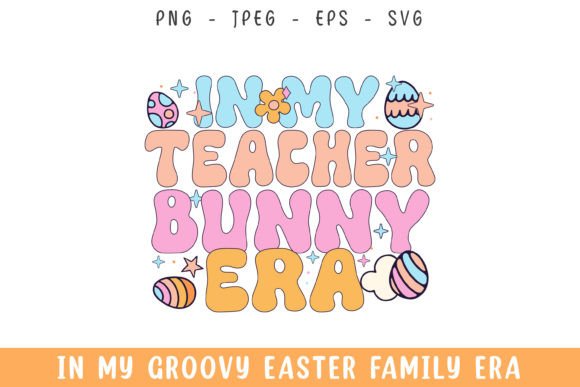
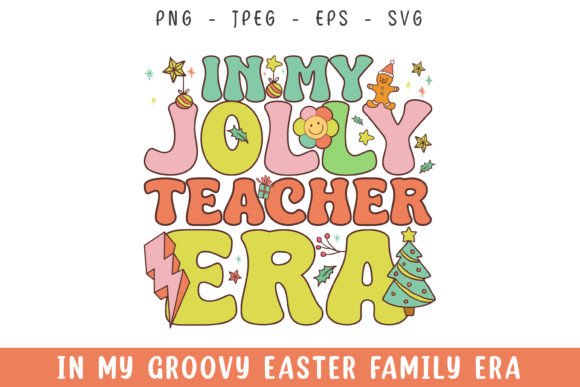
The immediate visual appeal of In My Jolly Teacher Christmas Era Groovy lies in its typography and layout. The phrase "In My Era" has become a cultural staple, and adding the teacher-specific twist makes it highly targeted for educators looking for personalized holiday apparel. From a design perspective, the groovy font style presents both an opportunity and a challenge. The curves are fluid, which suggests that if this is utilized as an applique design, the placement lines must be precise to avoid jagged edges. If rendered entirely in thread, the lettering likely relies on a combination of satin stitch for outlines and fill stitch for interior texture.
When reviewing the vector paths, I noticed that the retro style demands high contrast. The mood is playful and warm, but that warmth can get lost if the thread colors aren't selected carefully. For a project like a custom embroidered tote bag or a cream-colored sweatshirt, using a deep forest green or a rich cranberry red will make the design pop against the neutral background. The "easy change color" feature mentioned in the product specs is a significant advantage here. It allows me to swap out standard Christmas reds for school colors or boutique-specific palettes without having to re-digitize the entire file. This flexibility is crucial for maintaining brand consistency across different small shop products.
Real-World Application: The Teacher Sweatshirt Test
To truly evaluate this machine embroidery design, I mentally placed it in a specific production scenario: creating a batch of holiday sweatshirts for a local teachers' lounge fundraiser. Teachers are a discerning demographic; they want items that are festive but also durable enough for daily classroom wear. In this context, In My Jolly Teacher Christmas Era Groovy needs to balance detail with durability.
For a sweatshirt embroidery project, the fabric texture is paramount. Fleece and French terry have a pile that can swallow fine details. If the design features thin running stitch accents typical of retro graphics, there is a risk of those stitches sinking into the fabric nap. During my assessment, I would recommend increasing the underlay density or adding a topping stabilizer to ensure the groovy letters sit on top of the fabric rather than disappearing into it. The size of the design also matters. On an adult sweatshirt, this graphic should be scaled to at least 4x4 inches to maintain legibility and stitch clarity. Anything smaller might cause the intricate curves of the "Groovy" text to merge, resulting in a muddy appearance after washing.
This design also shows promise for personalized gifts beyond apparel. Imagine this stitched onto a canvas apron for a holiday baking class or as an embroidered patch for a denim jacket. The versatility of the layout means it doesn't feel forced on different substrates, provided the hooping strategy is sound. For Etsy sellers, this adaptability increases the potential ROI of a single digital embroidery file, allowing you to list multiple product variations from one core asset.
Navigating Fabric Limitations and Hoop Constraints
While In My Jolly Teacher Christmas Era Groovy is versatile, it is not immune to the physical limitations of machine embroidery. As a reviewer, I must highlight where caution is necessary. The retro font styles often include varying stroke widths. If you attempt to stitch this on a lightweight baby onesie or a stretchy knit cap, the stitch density could cause puckering or distortion.
- Stretchy Fabrics: If applying this to ribbed knits or performance wear, use a cut-away stabilizer and consider a temporary adhesive spray to prevent shifting during the stitch-out.
- Textured Surfaces: For tea towels or linen blends, test the design on scrap fabric first. The organic shapes of the groovy lettering need a stable foundation to look professional.
- Small Hoop Sizes: Avoid shrinking this design below 3 inches wide. The negative space inside letters like 'o', 'e', and 'a' can close up, making the text unreadable.
- Dark Fabrics: Ensure the design includes adequate underlay for white or light-colored threads on dark backgrounds to prevent the fabric color from bleeding through the stitches.
Furthermore, if you are considering this for baby embroidery items, check the back of the design for scratchy jump stitches or excessive trims. While the front may look perfect, the reverse side needs to be soft against sensitive skin. Using a fusible backing or lining the garment is often necessary for infant projects featuring dense fill stitches.
Commercial Viability and Professional Presentation
For creative entrepreneurs and Etsy sellers, the value of In My Jolly Teacher Christmas Era Groovy extends beyond the stitch count. It’s about marketability. The "Teacher Era" niche is evergreen during the holidays, and combining it with the trending retro aesthetic creates a product that feels current yet timeless. However, selling finished goods requires trust. Customers can tell the difference between a rushed stitch-out and a professionally executed custom apparel piece.
Before listing any item featuring this design, create a printable mockup and compare it against a physical sample. Does the actual embroidery match the digital preview? Are the colors vibrant? Is the registration tight? These quality checks directly impact buyer engagement and reviews. Additionally, always verify the licensing terms associated with the design assets. Confirm whether you have the rights to sell physical products, digital files, or both. Protecting your craft business starts with respecting intellectual property and ensuring your usage aligns with the creator's permissions.
Designer Notes for Optimal Results
To get the most out of In My Jolly Teacher Christmas Era Groovy, treat it as a collaborative partner in your creative process rather than a plug-and-play solution. Here are my practical recommendations for achieving a boutique-quality finish:
- Test Before Production: Never run this design on a final product without a test stitch-out on similar scrap fabric. Check for registration issues and tension balance.
- Stabilizer Selection: Match your stabilizer to the fabric weight. Use tear-away for stable woven fabrics and cut-away for knits or stretchy materials to support the groovy curves.
- Thread Contrast: View the design in black and white within your software to judge value contrast. If the design looks flat in grayscale, it will look flat in thread. Adjust colors to ensure readability.
- Hoop Size Verification: Always use the smallest hoop possible that still accommodates the design comfortably. Excess empty space in the hoop can lead to fabric slippage and misalignment.
- Mockup Accuracy: When creating listings, photograph the actual embroidered item rather than relying solely on digital renders. Real photos build customer confidence in your finished product.
Ultimately, In My Jolly Teacher Christmas Era Groovy is a strong contender for holiday collections, offering a blend of nostalgia and specificity that resonates with educators and retro enthusiasts alike. By approaching it with technical mindfulness and respecting the nuances of commercial embroidery, you can transform this digital graphic into a cherished, high-quality handmade item that stands up to both wear and scrutiny.