Lucky Teacher Charms PNG: An Embroidery Review
As a professional embroidery designer and product reviewer, I approach every new digital asset with a critical eye. When evaluating the Lucky Teacher Charms PNG, my first thought isn't just about how pretty the graphic looks on a screen, but how it will translate into physical stitches. In the world of Crafts and Graphics, there is often a disconnect between a pristine digital image and a successful machine embroidery design. After analyzing this file, I see significant potential for specific applications, provided you understand its strengths and limitations in a production environment.
First Impressions and Visual Personality
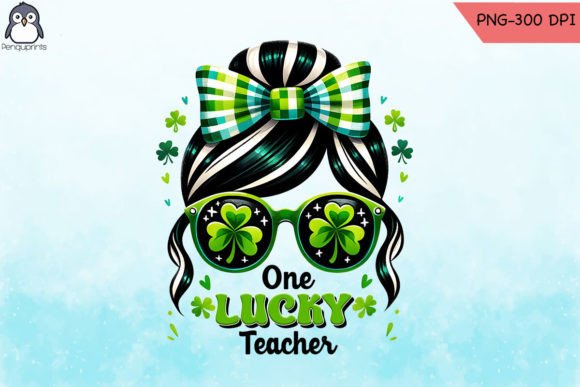
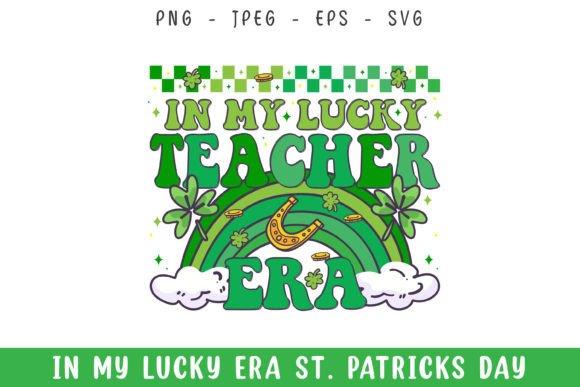
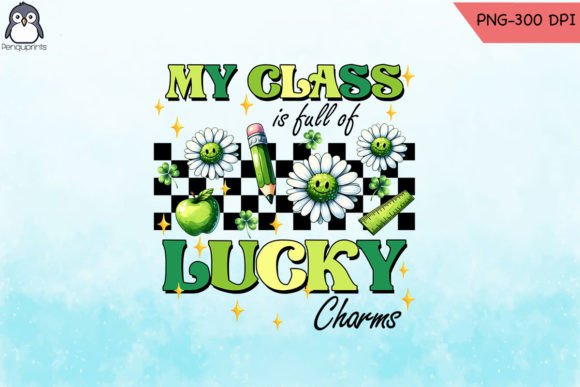
The Lucky Teacher Charms PNG immediately strikes a balance between whimsy and professionalism. The visual mood is appreciative and warm, making it inherently suitable for the education niche. From a design perspective, the layout suggests distinct elements that could function beautifully as an applique design or a combination of fill and satin stitch work. The charm aesthetic implies defined borders, which is excellent news for digitizers and embroiderers alike because clear boundaries make for cleaner registration marks and easier trimming.
However, because this is a high-quality digital file intended for various uses like iron-on transfers or framing, we must assess its viability specifically for needle and thread. The detail level appears moderate, which is ideal. Overly intricate graphics often fail in embroidery due to excessive stitch density, while overly simple ones can look cheap. This design seems to sit in the sweet spot where visual interest meets structural integrity, suggesting it would maintain clarity even when scaled down for smaller projects.
Real-World Application: The Custom Tote Bag Test
To truly evaluate this asset, I mentally placed it into a real-life scenario: creating a custom appreciation tote bag for a teacher end-of-year gift. Tote bags are a staple handmade product for Etsy sellers and small shop owners because they offer a large canvas and practical utility. For this project, the Lucky Teacher Charms PNG serves as an excellent focal point.
In this context, I envision using the charm graphic as a central motif, perhaps surrounded by personalized text using a clean sans-serif font. Because tote bags are typically made of canvas or cotton twill, the fabric texture provides a stable base for embroidery. If I were stitching this out today, I would likely treat the main body of the charm as a fill stitch area to keep the design lightweight and flexible. Heavy, dense stitching on a tote bag can cause the fabric to pucker or become too rigid, making the bag uncomfortable to carry. By utilizing the open spaces within the charm design effectively, you preserve the drape of the fabric while delivering a high-impact visual.
For a personalized gift like this, customer trust relies on neatness. The distinct shape of these charms allows for precise placement. If you are running a craft business, this design’s recognizable theme helps with buyer engagement; teachers and parents instantly connect with the imagery, reducing the friction between browsing and purchasing.
Navigating Fabric Limitations and Hoop Sizes
While the Lucky Teacher Charms PNG is versatile, it requires careful consideration regarding substrate choice. Not all fabrics are created equal, and what works for a tote bag may fail on a stretchy knit t-shirt. When applying this design to custom apparel like sweatshirts or baby clothes, you must account for fabric movement.
- Stretchy Fabrics: If placing this design on a jersey knit or performance wear, the stabilizer choice is non-negotiable. A cut-away stabilizer is essential to prevent the design from distorting after washing. The charm outlines need to remain crisp; if the fabric stretches but the stitches don't, you risk tunneling or puckering.
- Textured Surfaces: Be cautious when using this on terry cloth towels or fleece blankets. The fine details of a charm graphic can get lost in the pile. In these cases, consider adding a knockdown stitch layer beneath the design or simplifying the embroidery file to remove tiny interior details that won't show up anyway.
- Small Hoop Sizes: If you are working with a 4x4 hoop, verify the dimensions before purchasing. Shrinking a complex graphic to fit a small hoop often results in thread breaks and poor coverage. Always check the native size of the digital embroidery file to ensure it scales appropriately without losing definition.
- Dark vs. Light Fabrics: Test your thread colors against both backgrounds. A charm design that pops on white cotton might disappear on navy blue unless you adjust the outline color or add a contrasting border. This is vital for brand consistency across different product lines.
Commercial Viability for Makers and Sellers
For Etsy sellers and creative entrepreneurs, time is money. The Lucky Teacher Charms PNG offers strong commercial potential because it targets a recurring seasonal market. Back-to-school season, Teacher Appreciation Week, and holiday gifting periods create natural demand spikes. Having a reliable, tested design asset streamlines production during these busy windows.
From a branding perspective, this graphic supports a cohesive shop aesthetic. Whether you are selling finished sweatshirt embroidery items or offering printable mockups for digital products, the charm style conveys a sense of curated quality. It avoids looking generic, which is crucial for standing out in saturated marketplaces. However, always confirm licensing terms before selling. Ensure you have the right to use this design asset for commercial embroidery projects versus personal use only. Professionalism includes respecting intellectual property, and customers appreciate transparency regarding the origins of your designs.
Essential Designer Notes for Success
Before you load this design into your machine for a client order or shop stock, follow these practical steps to ensure a premium finished product:
- Test Stitch First: Never run a new design directly onto a sellable item. Use scrap fabric similar to your final project to check tension, registration, and overall feel. This is especially important for baby embroidery where safety and comfort are paramount.
- Verify File Compatibility: Since product descriptions vary, double-check that the download includes your machine's specific format. While PNGs are great for visual reference and sublimation, ensure you also have the actual embroidery file (PES, DST, JEF, etc.) if you intend to stitch it out.
- Assess Stitch Density: Open the file in your editing software. If the satin stitch columns are wider than 7mm, consider splitting them or converting to fill stitch to prevent snagging. Wide satins are prone to catching on jewelry or zippers.
- Mockup Testing: Create black and white mockups alongside color versions. This helps you evaluate contrast and readability independent of color appeal. A design that reads well in grayscale will almost always perform better in real life.
- Wash Testing: If this is for kitchen towels or children's clothing that will face frequent laundering, wash your test swatch. Check for shrinkage differences between the thread and fabric. This step prevents customer returns and protects your reputation.
The Lucky Teacher Charms PNG represents a solid opportunity for makers who value both aesthetics and functionality. By treating it not just as a picture, but as a blueprint for textile art, you can transform a digital file into a cherished, tangible keepsake. Whether you are decorating a party, framing a masterpiece, or building a sustainable small shop product line, success lies in understanding the relationship between the digital source and the physical stitch. Approach this design with technical mindfulness, and it will serve your business and your customers beautifully.