Most Loved Teacher Retro Design Review
As a professional embroidery digitizer and product reviewer, I approach every new graphic with a specific question: will this actually stitch out well on fabric? When evaluating the Most Loved Teacher Retro Design, my focus shifts immediately from screen aesthetics to needle performance. This digital download is categorized under Crafts and Graphics, but for those of us running a craft business or managing an Etsy shop, it represents potential inventory. The retro aesthetic is currently dominating the personalized gift market, particularly for teacher appreciation items. However, nostalgia does not excuse poor digitizing or unsuitable application. After reviewing the file structure and visual layout, here is my practical assessment of how this design performs in real-world embroidery projects.
First Impressions and Visual Personality
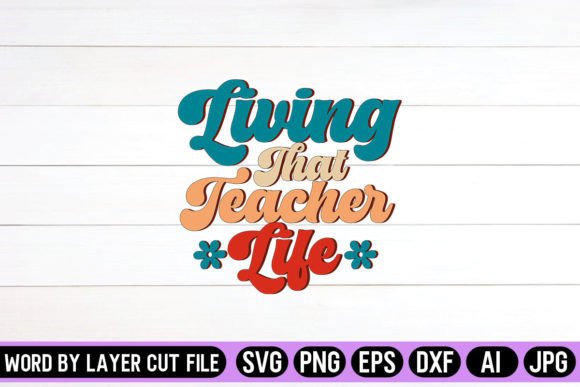
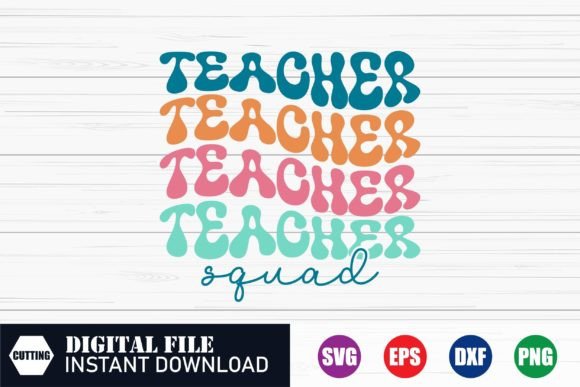
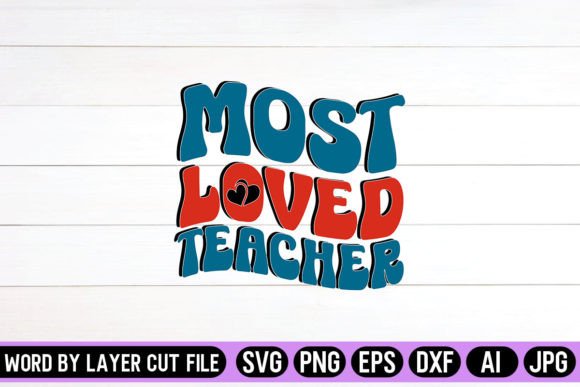
The Most Loved Teacher Retro Design carries a distinct vintage warmth that translates beautifully to thread. The layout suggests a balanced composition typical of high-quality graphics intended for apparel. Unlike generic clip art, this design possesses a visual weight that feels intentional. The retro style usually implies bold shapes, warm color palettes, and typography that mimics mid-century printing. For an embroidery designer, this is promising because these elements often convert cleanly into satin stitch and fill stitch regions without requiring excessive manual editing.
When I look at this design, I see immediate potential for custom apparel. It avoids the cluttered complexity that often causes registration issues on stretchy fabrics. Instead, it offers a clear focal point that reads well from a distance. This clarity is essential for handmade products meant to be worn or displayed in classrooms. The mood is appreciative yet stylish, steering clear of childish caricatures. This maturity in design makes it suitable for a wider demographic, allowing sellers to target both parents buying gifts and teachers purchasing treats for themselves.
Real-World Application: The Sweatshirt Test
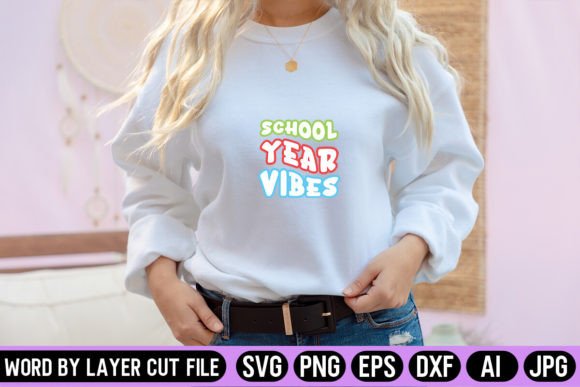
To truly judge this machine embroidery design, I mentally placed it in a specific production scenario: creating a premium crewneck sweatshirt for a boutique holiday collection. Sweatshirts are a staple for Etsy sellers, but they present unique challenges due to fleece texture and fabric stretch. The Most Loved Teacher Retro Design appears optimized for this exact use case.
In this scenario, I would utilize the SVG or DXF files to confirm dimensions before stitching. The retro aesthetic pairs exceptionally well with the nubby texture of cotton fleece. I envision placing the design center-chest rather than full-front to maintain a modern, wearable silhouette. Because the design likely features defined layers (as indicated by the "Word By Layer" description), separating elements for applique becomes a viable strategy. Using an applique design technique here could reduce overall stitch density, resulting in a softer garment that drapes better. This is a critical value-add for customers who dislike stiff, bulletproof embroidery on their loungewear.
For small shop owners, this specific application increases perceived product value. A well-executed sweatshirt featuring this design can command a higher price point than a standard t-shirt because the retro vibe aligns with current fashion trends. Furthermore, the design’s legibility ensures that the "Most Loved Teacher" message remains recognizable even when photographed for social media or printable mockups.
Navigating Fabric Limitations and Hoop Sizes
While the design shows promise, experienced makers know that context dictates success. There are specific environments where the Most Loved Teacher Retro Design requires caution. If you plan to stitch this on lightweight baby clothes or thin tea towels, you must verify the stitch density first. Retro designs sometimes utilize heavy fill areas to achieve that solid vintage print look. On delicate fabrics, this can cause puckering or tearing.
I recommend testing this embroidery file on scrap fabric that matches your final project's weight. If you are working with a 4x4 hoop size, ensure the text elements have not been scaled down below readable thresholds. Tiny lettering is the enemy of clean embroidery; if the serifs or internal counters of the font close up during stitching, the design loses its professional appeal. In such cases, consider using the AI or EPS files to modify the design, perhaps removing smaller accent elements to preserve the integrity of the main text.
Textured fabrics like terry cloth or waffle weave also demand attention. While the design works for kitchen towels, you may need to add a water-soluble topping to prevent stitches from sinking into the pile. Without this step, even the most beautiful digital embroidery file will look messy in the finished product. Always match your stabilizer choice to both the fabric and the design’s density to ensure crisp edges and proper registration.
Commercial Viability and Brand Consistency
For creative entrepreneurs and commercial embroidery businesses, consistency builds trust. The Most Loved Teacher Retro Design offers versatility across multiple product categories, which aids in brand cohesion. You could confidently apply this same motif to a tote bag design, an embroidered patch, and a nursery pillow cover, creating a unified collection. This cross-product compatibility is vital for maximizing the return on investment for digital assets.
The inclusion of multiple formats—AI, SVG, PNG, EPS, and DXF—is a significant advantage for sellers who manage both physical production and digital marketing. The PNG file allows for instant creation of listing photos and printable mockups without needing to re-digitize or screenshot your embroidery software. This streamlines the workflow for Etsy sellers who need to showcase what the finished product will look like before they have stitched a single sample.
However, a crucial note for all business owners: always verify licensing. Just because a file is available as a digital download does not automatically grant unlimited commercial rights for selling finished goods or redistributing the file itself. Confirm whether this specific asset permits use in products sold for profit. Protecting your business means respecting intellectual property while leveraging high-quality design assets to enhance your offerings.
Designer Notes for Optimal Results
Before loading this design into your machine, run through this practical checklist to ensure professional results:
- Test Stitch First: Never run a new design directly on a customer order. Verify tension, trim jumps, and color transitions on similar scrap fabric.
- Check Thread Contrast: Retro colors can sometimes blend together. Ensure sufficient contrast between the design and the garment color so the details remain visible.
- Evaluate Stabilizer Needs: For sweatshirt embroidery, use medium-weight cutaway stabilizer. For woven cottons like aprons, tear-away may suffice, but test for stability.
- Inspect Small Details: Zoom in within your embroidery software to check for overlapping stitches or gaps in the Word By Layer construction that might cause alignment issues.
- Mockup Verification: Use the included PNG to create realistic previews. Compare how the design looks on dark versus light backgrounds to determine if you need to adjust thread colors for different SKU variations.
- Wash Testing: If selling baby embroidery or frequently washed items, launder your test swatch to ensure the design holds up without distorting or fraying.
The Most Loved Teacher Retro Design represents a strong contender for any maker’s library, provided it is treated with technical respect. Its retro charm appeals to buyers, but its successful execution relies on your expertise as an embroiderer. By understanding the interplay between this graphic and your materials, you transform a simple digital file into a cherished, tangible gift. Whether you are crafting a personalized holiday present or stocking your online store, let practical judgment guide your needle to create work that truly honors the profession of teaching.