Read Return Repeat SVG File: An Embroidery Review
As a designer who has spent years digitizing and reviewing machine embroidery design files, I approach every new graphic with a specific question: will this actually stitch out well on real fabric? When I first opened the Read Return Repeat SVG File, I wasn't just looking at a cute slogan for library lovers; I was evaluating it as a potential bestseller for my craft business. The phrase "read, return, repeat" resonates deeply with anyone who grew up visiting their local library weekly, and that nostalgia is a powerful selling point. However, translating a digital graphic into a tangible embroidered patch or sweatshirt embroidery requires more than just sentiment. It requires technical viability.
First Impressions and Design Personality
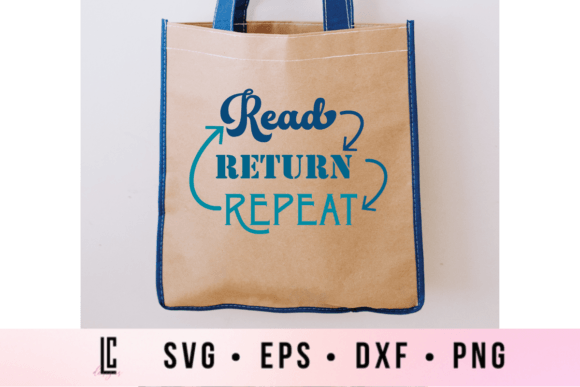
The visual mood of this design is immediately clear. It balances retro charm with modern readability, making it versatile for various demographics. From a graphics perspective, the layout suggests a rhythmic flow that mimics the cycle of borrowing books. For an embroidery project, this linear or stacked arrangement is often safer than complex circular designs because it stabilizes better on stretchy fabrics. As I reviewed the vector lines, I considered how they would translate into stitch types. A design like this typically relies on a combination of satin stitch for bold lettering and running stitch for finer details. If the Read Return Repeat SVG File includes intricate serifs or thin connectors, those areas become critical stress points during production. The personality here is cozy and intellectual, suggesting it belongs on natural fibers like canvas tote bags, cotton tea towels, or heavyweight fleece sweatshirts rather than shiny performance wear.
Real-World Application: The Library Tote Bag Test
To truly evaluate this asset, I mentally placed it in a real-life scenario: creating a custom apparel item for a local library fundraiser. Imagine stitching this onto a 12oz canvas tote bag. Canvas is forgiving, but it is also textured. When using a digital embroidery file on this material, the stitch density must be sufficient to prevent the fabric grain from showing through the letters. I envision the word "READ" in a dense fill stitch or wide satin column to anchor the design, while "RETURN" and "REPEAT" could utilize a lighter weight to create visual hierarchy without adding excessive bulk.
For Etsy sellers and small shop owners, this specific application is gold. Library merchandise sells consistently because it targets a passionate niche. However, customer trust hinges on quality. If the text "Support your local library" is included as a sub-element, it must remain legible after washing. In my experience, text smaller than 6mm in height risks becoming unreadable on textured canvas. When preparing this handmade product, I would prioritize clarity over cramming in every detail. A clean, professional stitch-out on a tote bag design communicates value far better than a dense, puckered mess that tries to do too much.
Technical Considerations for Apparel and Gifts
Moving beyond tote bags, let’s discuss sweatshirt embroidery and baby embroidery. These are high-stakes projects where mistakes are costly. Sweatshirts have pile and stretch; baby clothes are delicate and require soft backing. When adapting the Read Return Repeat SVG File for these substrates, you must consider the interplay between thread colors and fabric texture. Dark navy sweatshirts are classic for this theme, but light thread on dark fabric can sometimes look sparse if the underlay isn't digitized correctly. Always verify that your embroidery file includes adequate underlay stitches to support top threads on nappy fabrics.
For personalized gift items like nursery decor or holiday embroidery, the design needs to feel soft. Sharp, dense satin stitches can be abrasive on baby skin. If you are converting this SVG into a machine embroidery design for infant wear, consider modifying filled areas to running stitches or redwork styles. This reduces stitch count and increases comfort. Furthermore, when creating commercial embroidery products for sale, always check the licensing of your digital assets. Confirm whether the creator allows for finished product sales versus digital file redistribution. Protecting your craft business starts with respecting intellectual property.
Navigating Fabric Limitations and Hoop Sizes
Not every fabric is a friend to this design. While the Read Return Repeat SVG File likely scales beautifully, physical limitations exist. Stretchy knits, like jersey t-shirts, require significant stabilization. Without proper cut-away stabilizer, the repetitive motion of stitching "return" and "repeat" can distort the garment. I have seen similar designs pull the fabric into a tunnel shape because the stitch direction wasn't compensated for stretch. Always test on scrap fabric first.
Hoop size is another practical constraint. If you are working with a 4x4 hoop, you may need to split the design or resize it significantly. Resizing vector graphics is easy; resizing embroidery files is not. Reducing a satin stitch column by 50% might turn it into a run stitch that disappears into the weave. Conversely, enlarging a running stitch might result in long, snag-prone jumps. For cap embroidery, the curved surface adds complexity. Text that looks straight on screen often bows on a hat. If you plan to use this for headwear, ensure the design has been specifically digitized for caps or be prepared to adjust the arc manually.
Ensuring Professional Quality and Buyer Engagement
Visual appeal directly impacts buyer engagement, especially for online sellers relying on printable mockups and photos. A well-executed Read Return Repeat SVG File should photograph crisply. Thread sheen matters; matte threads often read better in digital listings than high-sheen rayon, which can glare under studio lights. When presenting this as a boutique product, consistency is key. If you offer this on aprons, pillow covers, and patches, maintain the same thread palette across all items to build brand recognition.
Customer trust is built on durability. Library lovers wash their tote bags and tea towels frequently. Ensure your top thread tension is balanced so the bobbin thread doesn't show on the face of the design. Inspect small details and corners; sharp turns in satin stitches can cause thread breaks or fraying if the needle penetration points aren't optimized. For those selling digital embroidery files derived from this SVG, provide clear notes on recommended stabilizers and fabric types. Your expertise adds value to the asset.
Designer Notes for Successful Execution
Before you commit this design to a final product, run through this practical checklist:
- Test Stitch-Out: Never skip this step. Use the exact fabric and stabilizer combination intended for the final project to check for puckering or registration issues.
- Contrast Check: View the design in black and white before stitching. If the values are too similar, the text will vanish regardless of thread color.
- Stabilizer Selection: Match the stabilizer to the fabric weight. Tear-away for stable wovens, cut-away for knits, and water-soluble toppings for high-pile fabrics like fleece.
- Licensing Verification: Double-check if the Read Return Repeat SVG File permits commercial use for both physical goods and digital resale.
- Mockup Accuracy: When creating listing photos, use realistic shadows and fabric textures. Misleading mockups lead to returns.
- Needle Choice: Use a sharp needle for woven fabrics and a ballpoint for knits to prevent fabric damage and skipped stitches.
Ultimately, the Read Return Repeat SVG File offers a wonderful opportunity to connect with a community that cherishes literacy and local institutions. Whether you are an experienced digitizer or a hobbyist maker, treating this graphic with technical respect ensures the final embroidered patch or custom apparel piece honors the sentiment behind the words. By focusing on stitch integrity, appropriate substrate selection, and professional finishing, you transform a simple digital file into a cherished, durable keepsake that library patrons will be proud to carry.