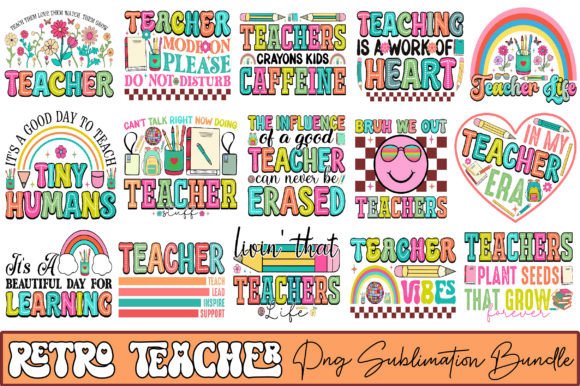
Retro Teacher PNG Sublimation Bundle: An Embroidery Review
First Impressions: Translating Retro Graphics to Stitch
As a designer who constantly bridges the gap between digital graphics and tangible textiles, my first interaction with the Retro Teacher PNG Sublimation Bundle was purely visual. At 4500×5400 pixels and 300 DPI, these files are undeniably crisp for printing, but my mind immediately began deconstructing them for needle and thread. The retro aesthetic is currently dominating the Crafts market, evoking nostalgia through bold typography, groovy color palettes, and vintage iconography. However, what works beautifully as a sublimation transfer on a polyester mug does not always translate seamlessly into a machine embroidery design.
My initial assessment focused on the complexity of the artwork. Retro designs often feature distressed textures, gradients, and thin serif fonts that can be problematic for stitching. While this bundle includes EPS and PDF files which are vector-based and theoretically easier to digitize than raster images, the artistic style requires careful interpretation. I wasn't looking at this as a simple print file; I was evaluating it as a potential applique design or a complex fill stitch project. The mood is playful yet professional, making it ideal for teacher appreciation gifts, back-to-school merchandise, and boutique apparel. However, the transition from screen to fabric demands a realistic understanding of stitch physics.
Real-World Application: The Custom Sweatshirt Test
To truly evaluate this asset, I approached it with a specific client scenario in mind: creating a custom crewneck sweatshirt for a local elementary school’s staff appreciation week. Teachers want something stylish they can actually wear, not just a stiff logo on a polo. The Retro Teacher PNG Sublimation Bundle seemed perfect for this sweatshirt embroidery project because of its trendy vibe.
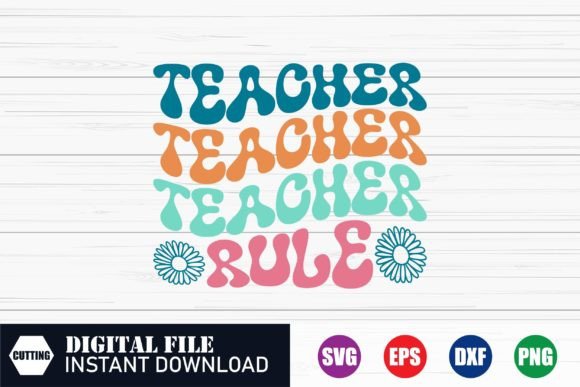
In practice, I selected a design featuring arched retro lettering with a simple floral accent. Because the original file is intended for sublimation, I had to redigitize the concept rather than auto-digitizing the PNG. Auto-digitizing high-resolution graphics often results in messy jump stitches and poor registration. Instead, I used the high-res PNG as a precise template in my embroidery software. I recreated the text using a satin stitch column to mimic the bold retro font, ensuring the width remained within safe limits to prevent thread breaks. The floral accents were converted into a combination of running stitch outlines and light fill stitches to maintain the vintage feel without adding excessive bulk.
The result was a finished product that felt soft and wearable. Had I attempted to stitch the exact texture of the sublimation file, the sweatshirt would have been heavy and stiff. By treating the bundle as a high-quality reference for a manual digitizing session, I created a personalized gift that honored the retro aesthetic while respecting the limitations of embroidery. This approach ensures the design looks intentional and professional, rather than like a failed attempt to replicate a print.
Navigating Fabric Limitations and Hoop Constraints
While the visual appeal of these graphics is high, practical application requires caution regarding where and how you stitch them. Retro designs often rely on negative space and fine lines, which behave differently across various substrates.
- Textured Fabrics: If you are planning a tote bag design on canvas or a tea towel on linen, be aware that fabric texture can swallow fine details. The distressed elements common in retro graphics may get lost in the weave. You may need to increase stitch density or add an underlay to create a smooth foundation.
- Stretchy Materials: For t-shirts and baby clothes, stability is paramount. Retro fonts with wide spacing can distort if the fabric shifts. Always use appropriate stabilizer and consider basting stitches around the design perimeter. For baby embroidery, ensure the back of the design is covered with a soft backing to protect sensitive skin from dense stitch areas.
- Small Hoop Sizes: Not every design in this bundle will fit a 4x4 hoop. The intricate nature of retro illustrations often requires larger fields. Before purchasing or starting, verify your machine’s maximum hoop size. Trying to shrink a detailed retro graphic down to 2 inches will result in illegible text and thread nests.
- Dark vs. Light Fabrics: Sublimation relies on white polyester bases, but embroidery is versatile. However, retro color palettes are often muted. On dark fabrics, you may need to adjust thread colors to maintain contrast. A cream-colored retro flower might disappear on a beige shirt but pop beautifully on navy.
Commercial Viability for Makers and Sellers
For the Etsy seller or small business owner, time is money. The value of the Retro Teacher PNG Sublimation Bundle lies in its versatility as a source of inspiration and mockup creation. Even if you primarily sell embroidered goods, having high-resolution PNGs allows you to create accurate printable mockups for your listings before you ever stitch a single sample. This is crucial for testing market demand.
Furthermore, the inclusion of EPS and PDF files adds significant value for those who also offer hybrid products. You could offer a matching set: a sublimated mug and an embroidered patch featuring the same retro motif. This consistency builds brand recognition and increases average order value. However, a critical word of caution: always verify the licensing terms included with the bundle. Just because a file is labeled as "commercial use" does not automatically mean you can resell the digitized embroidery file itself. Typically, licenses allow for selling physical handmade products, but redistributing the digital assets is prohibited. Clarifying this protects your shop from intellectual property issues.
Essential Designer Notes for Successful Execution
Before loading your hoop, take these practical steps to ensure your project succeeds. These notes come from years of troubleshooting both print and stitch projects:
- Test on Scrap Fabric First: Never stitch a new interpretation of a retro design directly onto a final garment. The interaction between stitch density and fabric weight is unpredictable. Use a scrap piece of the exact material you intend to use.
- Check Thread Color Contrast: Retro palettes can be tricky. View your thread selection in natural light. What looks like a distinct sage green and mustard yellow on screen might blend together in thread form.
- Inspect Small Details: Zoom in on your digitized version. Are the serifs on the letters too thin? Is there enough space between elements? Running stitches thinner than 1mm may break or sink into the fabric.
- Evaluate Washability: If this is for a kitchen towel or child’s apron, it needs to withstand laundering. Avoid long satin stitches over 7mm, as they snag easily. Secure all edges properly.
- Mockup in Black and White: To test the structural integrity of the design, view it in grayscale. If the design reads well without color, your digitizing structure is sound.
Ultimately, the Retro Teacher PNG Sublimation Bundle is a powerful asset for the creative entrepreneur. It offers a strong aesthetic foundation that, when adapted thoughtfully for needlework, yields beautiful, sellable results. Whether you are crafting a holiday embroidery gift or stocking your shop with back-to-school gear, success comes from respecting the medium. Treat these graphics not as rigid templates, but as high-quality blueprints for your own textile artistry. By combining the crisp detail of these digital assets with the tactile warmth of embroidery, you create products that stand out in a crowded marketplace.