School Librarian Sublimation: An Embroidery Review
As a designer who constantly bridges the gap between digital graphics and tactile needlework, I approach every new asset with a specific question: will this actually translate to thread? When evaluating the School Librarian Sublimation design file, my initial assessment focuses on its versatility. While marketed primarily for sublimation printing, iron-on transfers, and paper crafts, the visual structure of this graphic holds significant promise for mixed-media embroidery projects. For fellow Etsy sellers, craft business owners, and apparel decorators, understanding how to adapt a high-quality graphic file into a successful machine embroidery design is the key to expanding your product line without purchasing redundant assets.
Visual Personality and First Impressions
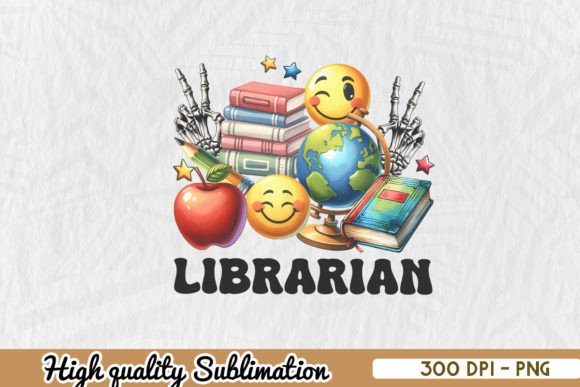
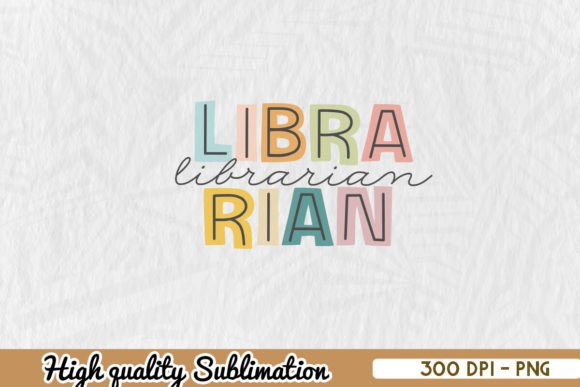
The mood of this School Librarian Sublimation graphic is immediately nostalgic yet professional. It captures the essence of academic warmth—books, reading glasses, or literary motifs that resonate deeply with educators and library staff. From a design perspective, the layout is balanced, which is crucial when converting 2D Graphics into stitched art. The lines appear clean rather than overly sketchy, suggesting that if you were to digitize this for embroidery, the pathing would be logical. For a handmade product, this clarity translates to customer trust; buyers can instantly recognize the theme without squinting at muddy details.
In the context of Crafts, this design feels like a staple. It isn't trendy in a way that will expire next season; it is evergreen. This makes it an excellent candidate for building a core collection in a small shop or online boutique. Whether you are using it as-is for sublimation mugs or adapting it for sweatshirt embroidery, the visual weight feels appropriate for adult apparel and tote bags, avoiding the overly cutesy aesthetic that sometimes plagues teacher-themed merchandise.
Real-World Application: The Custom Tote Bag Project
To truly evaluate this asset, I mentally placed it into a current client request: a custom canvas tote bag for a retiring head librarian. This scenario tests both the aesthetic appeal and technical viability of the design. Canvas is a textured fabric, which means fine details can get lost. Because School Librarian Sublimation is originally a print file, the detail level is likely higher than what standard embroidery can handle without modification.
For this tote bag design, I would not stitch the entire graphic as a dense fill. Instead, I envision using the main elements as an applique design. You could cut book shapes from printed fabric (using the sublimation file itself) and secure them with a satin stitch border. The text elements, if present, would need to be evaluated carefully. If the lettering is too thin, it requires redigitizing into a column stitch or replacing it with a dedicated embroidery font. This hybrid approach leverages the high resolution of the original graphic while respecting the limitations of thread on canvas. The result is a personalized gift that looks intentional and high-end, rather than a direct, stiff translation of a digital image.
Technical Considerations for Stitch Translation
When moving from screen to hoop, several factors determine success. Since this is a sublimation-first file, you must verify the complexity before loading it into your machine software. Here are practical observations for embroiderers:
- Detail Reduction: Sublimation allows for gradients and shading that thread cannot replicate. You may need to simplify color blocks into distinct fill stitch areas or use thread blending techniques.
- Text Legibility: Any text smaller than 4mm in height usually fails in embroidery. Check the scale of the School Librarian Sublimation artwork. If the text is decorative script, consider replacing it with a digitized font optimized for stitch density.
- Hoop Size Planning: Determine your target size before digitizing. A design meant for a mug wrap might be too wide for a standard 4x4 hoop but perfect for a 5x7 or 6x10 field. Always confirm dimensions to avoid resizing distortion.
- Stabilizer Selection: If applying this to a stretchy knit for custom apparel, use a cut-away stabilizer to prevent puckering. For woven cottons in holiday embroidery projects like tea towels, a tear-away may suffice.
Where to Exercise Caution
Not every surface is suitable for this specific aesthetic. While School Librarian Sublimation is versatile, I advise caution when applying it to highly textured fabrics like terry cloth or fleece without a topping. The intricate lines typical of library-themed art can sink into the pile, rendering the design invisible. Similarly, dark fabrics pose a challenge if the original graphic relies on black outlines; you will need to add a white underlay or change the outline color to maintain contrast.
Be mindful of curved surfaces. Caps and hats require designs specifically digitized for cylindrical hoops. Taking a flat graphic and forcing it onto a cap often results in registration errors and distorted proportions. If you want to use this for headwear, ensure you have a cap-specific version or are skilled enough to re-digitize the embroidery file with proper pull compensation. Also, consider washability. If creating baby items or kitchen linens, ensure all thread colors are colorfast and the stitch density isn't so high that it creates a bulletproof patch that ruins the drape of the garment.
Commercial Value and Business Strategy
For the Etsy seller or creative entrepreneur, this design offers multiple revenue streams. Beyond selling finished goods, the high-quality nature of the file makes it valuable for printable mockups. You can create realistic digital previews of embroidered patches or apparel without stitching every variation, saving time and materials. This boosts buyer engagement and professionalism in your listings.
However, licensing is paramount. Before listing any finished product or digital embroidery file derived from this asset, strictly review the terms provided with School Librarian Sublimation. Confirm whether commercial use extends to physical embroidered goods or just printed items. Respecting intellectual property protects your craft business reputation. If cleared for commercial use, this design fits beautifully into back-to-school collections, teacher appreciation gifts, and literacy event merchandise. Its broad appeal ensures it can anchor a seasonal promotion or serve as a steady seller year-round.
Designer Notes for Best Results
Before committing to a full production run, follow these professional protocols:
- Test Stitch: Always run a sample on scrap fabric similar to your final project. Check for gaps between fills and outlines.
- Contrast Check: View the design in grayscale. If the values blend together, adjust your thread palette. Visual hierarchy matters more than exact color matching.
- Mockup Validation: Create a black-and-white mockup to see how the design reads without color reliance. This helps identify structural weaknesses.
- License Verification: Document your commercial rights. Keep a record of what you can and cannot sell to avoid future disputes.
- Customer Feedback: If unsure about market fit, test a small batch of embroidered patches or cards first. Gauge interest before investing in bulk blanks.
Ultimately, School Librarian Sublimation is a strong foundational asset. With thoughtful adaptation and respect for the medium's constraints, it can elevate your embroidery offerings from generic to bespoke. Whether you are crafting a heartfelt retirement gift or stocking your shop with unique educator gear, this design provides the creative flexibility needed for modern making. Just remember: successful embroidery is about translating the spirit of the graphic, not just tracing its pixels.