Yellow Blue Lines SVG Craft File: A Designer Review
When evaluating digital assets for production, I look past the screen preview and imagine the needle hitting fabric. As a designer who manages both custom client orders and a small shop inventory, I approach every new file with a critical eye toward manufacturability and marketability. The YELLOW BLUE LINES SVG CRAFT FILE initially caught my attention because of its deceptively simple aesthetic. In the realm of Graphics and Crafts, geometric line work often translates beautifully to thread, but it also exposes technical flaws faster than complex illustrations. After reviewing this asset for potential use in real-world embroidery projects, here is my practical assessment of how it performs beyond the digital canvas.
First Impressions and Visual Personality
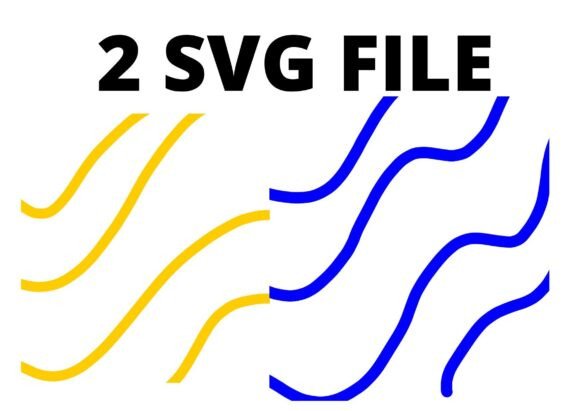
The immediate mood of this design is structured yet playful. The interplay between yellow and blue creates a high-contrast palette that reads well from a distance, which is essential for merchandise visibility. Unlike dense, photorealistic machine embroidery design files that can feel heavy on garments, this linear aesthetic suggests a lighter stitch count and a more modern vibe. It feels versatile enough to bridge the gap between nursery decor and collegiate apparel. However, as an SVG craft file intended for multiple uses, its primary strength lies in its scalability. For those of us digitizing for embroidery, clean vector lines are the gold standard for creating smooth satin stitch columns or precise running stitch outlines without jagged edges.
Real-World Application: The Custom Tote Bag Test
To truly judge this asset, I mentally placed it into a current project scenario: a series of canvas tote bags for a local summer market. Canvas is unforgiving; it has a distinct fabric texture that can swallow fine details. I envisioned the YELLOW BLUE LINES SVG CRAFT FILE centered on a natural cotton tote. The graphic nature of the lines would serve as an excellent frame for personalized text, making it ideal for a customized gift or boutique branding.
In this application, the design’s geometry acts as an anchor. If I were stitching this, I would likely convert the thicker blue lines into a medium-width satin stitch to provide structure, while using the yellow elements as accent running stitches or narrow fill stitch areas. This combination prevents the design from becoming too stiff—a common issue with tote bag design where excessive density makes the bag stand up on its own rather than drape naturally. For Etsy sellers focusing on eco-friendly or minimalist aesthetics, this specific colorway and layout offer a fresh alternative to overused floral motifs.
Performance Across Different Substrates
Versatility is key for any commercial embroidery business. While the tote bag scenario works well, this design behaves differently across various products:
- Sweatshirt Embroidery: On fleece or French terry, the high contrast of yellow and blue pops effectively. However, because knit fabrics stretch, the linear elements must be digitized with appropriate underlay to prevent distortion. This design is ideal for left-chest placement or sleeve accents.
- Baby Embroidery: The soft color palette fits nursery themes perfectly. For baby items like bibs or blankets, I would recommend reducing the stitch density significantly. Safety and comfort are paramount, so ensuring the back of the embroidery isn't scratchy is just as important as the front appearance.
- Embroidered Patch: The bold lines make this an exceptional candidate for patches. Patches require defined borders, and the geometric nature of this file simplifies the creation of a merrowed edge or satin border.
- Holiday Embroidery: While not season-specific, the bright colors allow for easy adaptation. Swapping thread colors could instantly transform this from a summer craft project to winter holiday merchandise.
Technical Considerations and Caution Zones
No design is without limitations. When working with the YELLOW BLUE LINES SVG CRAFT FILE, you must consider the physical constraints of your materials. Linear designs rely heavily on registration. If you are hooping loosely or using inadequate stabilizer, straight lines will appear wavy, destroying the professional finish.
Be particularly careful when applying this to curved surfaces like caps. Geometric lines that look straight on a flat screen can appear distorted when wrapped around a hat crown. You may need to warp the design slightly in your digitizing software to compensate for the curve. Additionally, if you are working with dark fabrics, remember that yellow thread requires significant underlay to prevent the dark fabric texture from showing through the stitches. Without proper backing, your crisp yellow lines will look muddy and unprofessional.
For small hoop sizes, verify the detail level. If the lines are extremely thin in the source file, they may not translate well to tiny formats without modification. Always check the minimum recommended size before committing to a production run on baby clothes or pocket logos.
Impact on Product Value and Customer Trust
In the handmade product market, perceived value is directly tied to execution. A clean, well-executed geometric design signals professionalism. Buyers trust sellers who understand balance and proportion. Using a high-quality digital embroidery file like this one allows you to maintain brand consistency across different product lines. Whether you are selling finished goods or offering printable mockups for POD design, the clarity of these lines ensures your marketing materials look as good as the physical item.
Furthermore, for creative entrepreneurs selling digital assets or using them for school or college projects, the clean vector nature of this file implies ease of editing. Customers appreciate designs that don't require hours of cleanup before they can be used. This efficiency translates directly to profit margins in a craft business.
Essential Designer Notes Before Stitching
Before you load this file into your machine or list a product featuring it, adhere to these practical protocols:
- Test on Scrap Fabric First: Never assume settings transfer perfectly between materials. Test the YELLOW BLUE LINES SVG CRAFT FILE on a scrap piece identical to your final project to check tension and registration.
- Verify Licensing: The description notes it is ideal for POD and commercial use, but always confirm the specific license terms regarding selling finished products versus reselling the digital file itself.
- Check Thread Color Contrast: View your thread choices in natural light. Screen colors often differ from rayon or polyester thread reality. Ensure the yellow and blue have sufficient contrast against your chosen garment color.
- Review Stitch Density: If you are digitizing this SVG yourself, avoid over-compensating with dense fill stitch. Let the negative space breathe. Heavy designs pucker lightweight fabrics.
- Mockup Testing: Create black and white mockups alongside color versions. This helps you see if the design relies solely on color contrast or if the structural lines hold up on their own.
- Stabilizer Selection: Match your stabilizer to the fabric weight. Cut-away for knits and sweatshirts; tear-away for stable woven cottons like tea towels or canvas.
Final Thoughts for Makers
The YELLOW BLUE LINES SVG CRAFT FILE represents a solid foundation for makers who value clean aesthetics and production efficiency. It avoids the clutter that plagues many novice designs, offering instead a template for professional-looking custom apparel and accessories. Whether you are an experienced embroidery digitizer looking for a reliable base or an Etsy seller expanding your catalog, this asset offers genuine utility. Remember that the success of any embroidery project lies not just in the file itself, but in the thoughtful application of technique, material knowledge, and quality control. Treat this design as a collaborative tool in your creative process, and it will serve your business well.