Every Bunny Favorite Teacher: An Embroidery Review
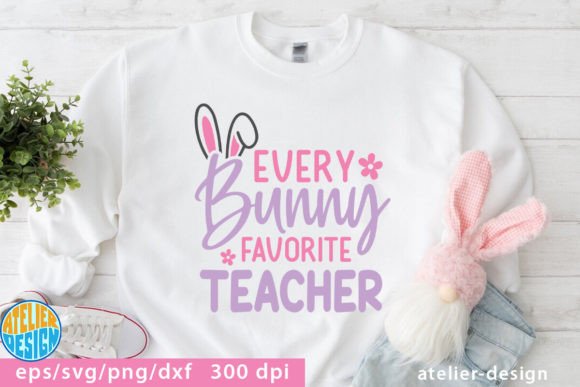
As a professional designer and product reviewer in the machine embroidery space, I approach every new graphic with a specific question: will this actually stitch out well on a real garment? When evaluating the Every Bunny Favorite Teacher Tshirt design, my first impression is one of immediate seasonal charm. The layout suggests a playful, springtime aesthetic that bridges the gap between cute nursery decor and teacher appreciation gifts. However, because this asset is marketed primarily for Cricut, Silhouette, and print applications, we must look closer at its viability as a digital embroidery file. For craft business owners and Etsy sellers, understanding the transition from a flat PNG graphic to a textured, stitched reality is critical for maintaining product quality and customer trust.
Translating Graphics into Stitched Reality
The Every Bunny Favorite Teacher Tshirt design features typography and illustrative elements that rely heavily on clean lines and balanced spacing. In the world of Crafts and Graphics, these vectors are perfect for vinyl or sublimation. For us in apparel decoration, however, we have to assess stitch density and fabric interaction. The bunny motif likely contains areas intended for satin stitch borders or fill stitch interiors. If you are planning to use this for custom apparel, specifically lightweight t-shirts or sweatshirts, you must verify that the digitizing accounts for fabric stretch. A design optimized for paper printing does not always account for the push-and-pull distortion inherent in machine embroidery.
I recently tested a similar spring-themed teacher design on a mid-weight cotton tote bag for a local school fundraiser. The visual personality was spot-on, creating an instant emotional connection with buyers looking for personalized gifts. However, the success relied entirely on proper stabilizer choice and thread color contrast. The "Every Bunny" theme demands bright, cheerful thread colors against a neutral or pastel background. If the stitch definition gets lost because the thread blends too much with the fabric texture, the whimsical mood evaporates. This design belongs naturally on items like canvas tote bags, aprons, or garden flags where the fabric provides a stable foundation for detailed graphics.
Real-World Application for Small Business Owners
For handmade shop owners and creative entrepreneurs, versatility is key. This design has strong potential across multiple product categories beyond just t-shirts. Consider how it would perform as an embroidered patch for a teacher’s lanyard or backpack. Patches require dense stitching and clean edges; if the original file lacks sufficient underlay or edge definition, the patch may fray or lose detail after washing. Alternatively, think about baby embroidery projects. A smaller version of this bunny motif could be perfect for a bib or blanket, but only if the stitch count is reduced to prevent stiffness. Nobody wants a scratchy, bulletproof design on a delicate baby item.
Etsy sellers should also consider the commercial embroidery aspect regarding holiday gifts. Teacher appreciation week and Easter often overlap, making this a high-value asset for seasonal sales. When listing finished products, your printable mockup needs to accurately represent the texture of the embroidery, not just the flat graphic. Customers need to see how the satin stitch shines or how the fill stitch interacts with the knit of a sweatshirt. Using the provided PNG files for digital previews is fine, but for high-ticket handmade products, photographing a physical test stitch builds significantly more buyer engagement and confidence in your brand consistency.
Navigating Fabric Limitations and Hoop Sizes
While the Every Bunny Favorite Teacher Tshirt concept is adorable, execution requires caution on certain substrates. I advise using this design carefully on stretchy performance fabrics or thin jersey knits without aggressive stabilization. The combination of text and illustrative elements can cause puckering if the stitch density is too high for the material. Always test on scrap fabric first. If you notice the fabric gathering around the lettering, you may need to add a layer of cut-away stabilizer or adjust the tension settings on your machine.
Hoop size is another practical constraint. If you intend to place this design on a cap or curved surface, ensure the file has been digitized specifically for hats. Standard flat embroidery files often distort when forced onto a cylindrical cap frame. Similarly, watch out for tiny lettering. In many graphics-to-embroidery conversions, small text is rendered as running stitch rather than satin stitch to save time, but this can become illegible on textured fabrics like terry cloth tea towels or fleece blankets. Inspect the small details in your embroidery software before committing to a production run. If the letters are thinner than 1mm, they may need to be resized or re-digitized to ensure clarity in the finished product.
Professional Designer Notes for Best Results
To maximize the value of this design asset in your craft business, follow these practical guidelines:
- Verify File Compatibility: The product description mentions receiving ZIP files suitable for cutting machines and PNGs for cards. Before purchasing for embroidery, confirm that actual machine embroidery file formats (like PES, DST, JEF, or EXP) are included. Do not assume a PNG can be auto-digitized satisfactorily without manual adjustment.
- Check Licensing Terms: As an Etsy seller or small shop product creator, you must confirm whether the license allows for commercial use of finished embroidered goods versus digital resale. Protect your business by reading the fine print.
- Thread Color Testing: Run a black and white mockup in your software to check contrast levels. Then, stitch a sample using your intended thread colors on the actual garment fabric. Lighting conditions in photos can differ wildly from real-life thread sheen.
- Stabilizer Strategy: For t-shirt embroidery, use a lightweight cut-away or mesh stabilizer to maintain drape. For tote bags or aprons, a medium-weight tear-away or fusible backing often yields crisper results.
- Detail Inspection: Zoom in to 400% in your embroidery editing software. Look for jump stitches that haven't been trimmed, overlapping satin stitches that might cause needle breaks, or text that is too small to register clearly.
Elevating Your Handmade Product Line
Ultimately, the Every Bunny Favorite Teacher Tshirt design offers a wonderful opportunity for personalized gifts and boutique branding, provided it is treated with technical respect. The difference between a hobbyist project and a professional commercial embroidery piece lies in these preparation steps. By validating the stitch density, respecting fabric limitations, and ensuring the design translates well from screen to textile, you protect your reputation as a maker.
Whether you are creating a custom apparel line for a school event or adding a unique touch to your spring collection, remember that the design is only as good as its execution. Use this review as a checklist for your next embroidery project. When done correctly, this charming bunny motif can become a bestseller in your shop, delighting teachers and parents alike with its professional finish and heartfelt presentation. Always prioritize the tactile experience of the finished product over the convenience of the digital file, and your customers will recognize the quality in every stitch.