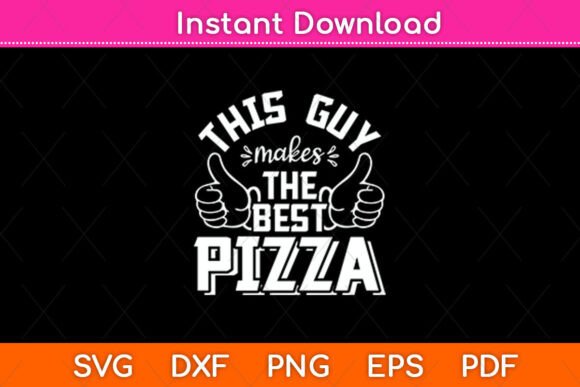
This Guy Makes the Best Pizza SVG: A Stitch Review
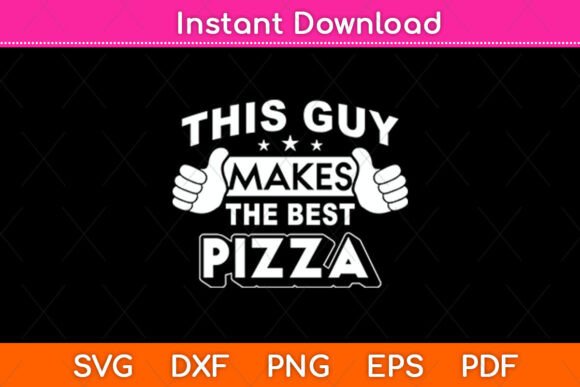
As a professional embroidery digitizer and product reviewer, I approach every new graphic with a specific question: will this actually stitch out cleanly on fabric? When evaluating This Guy Makes the Best Pizza Svg Design, my first impression is one of playful nostalgia. The typography has that classic, retro diner aesthetic that immediately signals comfort food and good times. For those of us in the Crafts and Graphics space, we know that pizza-themed merchandise is an evergreen seller, but the difference between a generic clip-art print and a high-quality embroidered item lies entirely in how the design translates from screen to textile.
This review breaks down the practical realities of using this digital asset for real-world production. Whether you are an Etsy seller updating your shop for the holidays or a hobbyist making a personalized gift for the family chef, understanding the structural integrity of this file is crucial before you thread your needle.
First Impressions and Visual Personality
The mood of This Guy Makes the Best Pizza Svg Design is undeniably fun and confident. It feels less like a corporate logo and more like a badge of honor. Visually, the layout suggests a centered composition, which is ideal for embroidery hooping. From a designer’s perspective, the lettering appears bold enough to support various stitch types without losing legibility. This is critical because thin, spindly fonts often disappear into textured fabrics or cause thread breaks during high-speed stitching.
The graphic elements likely include iconic pizza imagery—perhaps a slice, a chef’s hat, or steam lines. These visual anchors provide excellent opportunities for texture variation in embroidery. Instead of a flat fill, these areas can utilize different stitch directions to create depth. The design naturally belongs on casual, relaxed items rather than formal wear. It screams "weekend vibes," making it perfect for aprons, kitchen textiles, and casual apparel where the wearer wants to showcase personality over polish.
Real-World Application: The Custom Apron Test
To truly evaluate this design, let’s imagine a specific scenario: creating a custom embroidered apron as a Father’s Day gift or a best-seller for a boutique kitchenware shop. Aprons are typically made of canvas, denim, or twill—heavyweight fabrics that can handle dense stitching but also have significant texture.
In this context, This Guy Makes the Best Pizza Svg Design serves as a strong focal point. If I were stitching this onto a 10oz canvas apron, I would anticipate placing the design on the upper bib or centered on the front pocket area. The bold nature of the SVG suggests it will hold up well against the coarse weave of canvas. However, because this is originally marketed for cutting machines like Cricut and Silhouette, you must verify if an embroidery-specific version exists or if you are converting the vector yourself. If converting, ensure the text elements are converted to satin stitches or puff embroidery to maintain that crisp, raised look that mimics vinyl but offers the premium feel of thread.
For a sweatshirt application, specifically on fleece or french terry, the design needs to be slightly open. Dense fill stitches on stretchy knit fabrics can cause puckering or create a "bulletproof vest" effect where the fabric loses its drape. In this case, I would recommend modifying the design to use running stitches for outlines and lighter fill densities, ensuring the garment remains comfortable to wear.
Navigating Fabric Limitations and Hoop Sizes
While versatile, this design requires careful consideration regarding substrate choice. Here is where you need to exercise caution:
- Stretchy Fabrics: On performance tees or thin jersey knits, the weight of the embroidery might distort the neckline or hem. Always use a cut-away stabilizer and consider a water-soluble topping to prevent stitches from sinking into the pile.
- Small Hoop Constraints: If you are working with a 4x4 hoop size, check the aspect ratio. Pizza designs are often wider than they are tall. You may need to resize or rearrange elements to fit without distorting the proportions. Never shrink text below 6mm height, or the satin columns will merge and become illegible.
- Curved Surfaces: For caps or hats, a flat SVG design requires significant digitizing adjustment. The curvature of the cap means straight horizontal lines in the file will appear bowed when stitched. Ensure the design is arced correctly for headwear before attempting production.
- Dark vs. Light Fabrics: Test your thread color contrast. White or cream thread on a dark navy apron looks classic, but intricate internal details might get lost. Conversely, bright reds and yellows on white fabric may require additional underlay to prevent the fabric color from showing through the stitches.
Impact on Product Value and Customer Trust
Using This Guy Makes the Best Pizza Svg Design effectively can significantly elevate the perceived value of your handmade products. Customers associate embroidery with durability and quality, far surpassing heat transfer vinyl or screen printing. When the stitching is clean, with proper registration and no stray jump stitches, it communicates professionalism.
For Etsy sellers and small business owners, this design taps into a specific emotional niche. It validates the recipient's identity as "the pizza guy." This personalization drives engagement and repeat business. However, poor execution damages trust. If the design is too dense for the fabric, causing rips, or if the lettering is unreadable due to improper digitizing, the customer perceives the product as cheap. Always prioritize stitch clarity over complex detail. Sometimes, simplifying the SVG for embroidery results in a better finished product than trying to replicate every pixel of the original graphic.
Essential Designer Notes for Production Success
Before listing any item featuring this design or gifting it, adhere to these professional protocols:
- Verify File Compatibility: The product description specifies this is for cutting machines (Cricut/Silhouette). Confirm you have the correct embroidery file format (PES, DST, JEF, etc.) or the raw vector file needed for digitizing software. Do not assume an SVG auto-converts to stitches perfectly.
- Test Stitch Out: Never run a final project without a test sew-out on similar scrap fabric. Check for registration issues between color changes and verify that the stabilizer choice supports the stitch density.
- Check Licensing: Crucial for commercial users. Verify if the license allows for selling physical embroidered goods versus digital files. Most licenses cover finished products but prohibit reselling the digital embroidery file itself.
- Mockup Validation: Use printable mockups to visualize placement before stitching. However, remember that mockups don't show stitch texture. Physically inspecting a sample is the only way to judge tactile quality.
- Thread Color Matching: Pizza themes rely on appetizing colors. Avoid neon greens or synthetic-looking reds. Opt for warm, organic thread shades that evoke tomato sauce, cheese, and basil rather than plastic.
Final Verdict for Makers
This Guy Makes the Best Pizza Svg Design holds immense potential for the embroidery community, provided it is treated with technical respect. It is not just a graphic; it is a blueprint for a tangible, nostalgic product. Whether you are creating a holiday gift, stocking your craft fair table, or fulfilling custom apparel orders, success depends on adapting the digital lines to the physical reality of thread and fabric. By focusing on appropriate stabilizers, respecting hoop limitations, and ensuring commercial compliance, you can transform this playful design into a professional-grade embroidered asset that customers will cherish and wear with pride.