This Guy Makes the Best Pizza SVG: A Stitch Test
First Impressions for Embroidery Digitizing
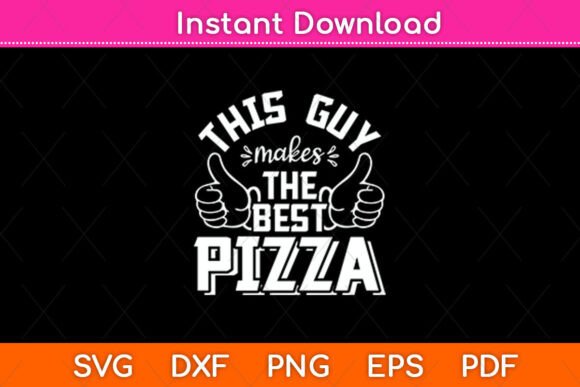
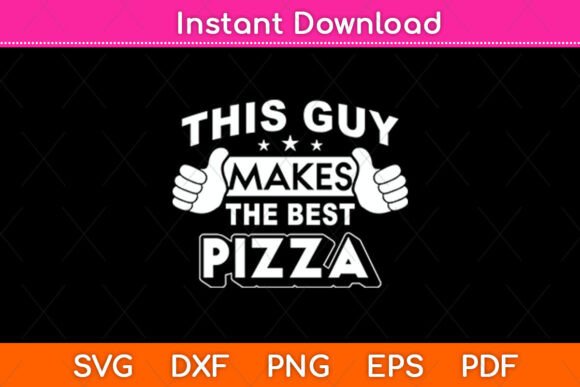
When I first opened This Guy Makes the Best Pizza Svg, my immediate thought was not about vinyl cutting, but about how this typography would translate into thread. As a designer who bridges the gap between digital graphics and tangible textiles, I look at every vector file through the lens of a needle. This specific design carries a distinct retro-diner personality that feels warm, nostalgic, and inherently masculine without being aggressive. The layout is balanced, suggesting it was created with intention rather than just assembled from clip art. For an embroidery project, this balance is critical because it dictates where your hoop center needs to be and how the design will sit on curved or structured garments.
The visual weight of the lettering in this machine embroidery design candidate is substantial enough to hold its own on heavier fabrics like canvas tote bags or fleece sweatshirts, yet the negative space prevents it from looking like a bulletproof vest patch. It strikes a rare middle ground in the Crafts category: playful enough for a family reunion shirt but polished enough for a boutique apron line. However, seeing an SVG on a screen is vastly different than feeling the texture of stitched polyester. My review focuses entirely on bridging that gap, ensuring that when you convert this graphic into a stitch file, the result honors the original charm while surviving the mechanical realities of embroidery.
Real-World Application: The Custom Apron Test
To truly evaluate this design, I mentally placed it onto a heavyweight denim apron intended as a personalized gift for a home chef. This is a classic use case for Etsy sellers and small shop owners. In this scenario, This Guy Makes the Best Pizza Svg serves as more than decoration; it is a branding element for the wearer. When digitizing this for an apron pocket placement, the horizontal orientation of the text works perfectly with the grain of the fabric. I envision using a combination of fill stitch for the larger block letters and a satin stitch column for any thinner accent lines to create tactile contrast.
For a custom apparel project like this, the design’s readability from a distance is paramount. On a busy kitchen floor or at a backyard barbecue, the bold shapes ensure the message lands instantly. I also considered how this would perform as a tote bag design. Canvas has a coarse weave that can swallow fine details. Fortunately, the robust nature of this graphic allows for slightly wider stitch columns, which helps the thread sit on top of the fabric texture rather than sinking in. If you are running a craft business, this versatility means one digitized file could serve multiple product listings, from holiday embroidery gifts to everyday kitchenware, maximizing your return on design assets.
Navigating Fabric Challenges and Hoop Limitations
While the design is versatile, it demands respect for fabric physics. I must caution makers against using this specific layout on lightweight jersey knits or baby clothes without significant modification. The stitch density required to render these bold shapes cleanly can cause puckering on thin, stretchy materials. If you are attempting baby embroidery with this theme, consider isolating just the word "Pizza" or resizing the entire composition down by 40% to reduce the stitch count and prevent the garment from becoming stiff. Always pair this design with a high-quality cut-away stabilizer when working on knits to maintain registration.
Curved surfaces present another hurdle. If you plan to use this as an embroidered patch for a cap, the flat horizontal baseline of the SVG will fight against the curve of the hat front. You would need to warp the design in your digitizing software to follow the crown's contour. Similarly, dark fabrics require careful planning. While the design likely includes solid fills, stitching white thread over black denim often requires an underlay base to prevent the fabric color from bleeding through. Without testing thread colors against your specific substrate, even the best digital embroidery file can look muddy in the finished product. Always verify your hoop size constraints before committing; this design’s aspect ratio may require a larger rectangular hoop rather than a standard square one.
Elevating Perceived Value and Brand Trust
In the competitive world of handmade products, presentation is everything. Using This Guy Makes the Best Pizza Svg effectively can significantly boost buyer engagement. When customers see clean, professional stitching where the letters align perfectly and the tension is consistent, they trust the maker. This design lends itself beautifully to printable mockups because of its clear silhouette. Before you even thread your machine, test the converted embroidery file in black and white mockups to check legibility. If it reads well in monochrome, it will read well in thread.
For commercial embroidery ventures, consistency builds brand recognition. If you are selling a series of food lover items, this design anchors the collection. Its distinct typographic style pairs well with other retro-kitchen graphics, allowing you to curate a cohesive shop aesthetic. However, professionalism also means understanding licensing. Since this is marketed primarily for cutting machines like Cricut Explore, Cricut Maker, and Silhouette Cam, you must confirm whether the license extends to digitizing for commercial sale of physical embroidered goods. Never assume a digital download includes embroidery rights. Clarifying this protects your business and respects the original artist’s intellectual property.
Essential Designer Notes for Success
Before listing any finished product derived from this SVG, run through this practical checklist to ensure quality:
- Test Stitch First: Never embroider directly onto a sellable item without a test run on scrap fabric of identical weight and texture. Check for registration issues between color changes.
- Verify Licensing: Confirm explicitly that the vendor permits converting this SVG into an embroidery file for commercial use. "Personal use only" licenses are common in the Graphics category.
- Check Stitch Density: If digitizing yourself, adjust the density based on fabric type. Denim needs tighter stitches; fleece needs looser ones to prevent needle damage.
- Evaluate Small Details: If the SVG contains tiny decorative elements, determine if they can be rendered as running stitches or if they should be omitted entirely to prevent thread breaks.
- Contrast Testing: View your digitized preview in grayscale. If the design disappears, adjust your thread palette or add outline definition.
- Stabilizer Selection: Match stabilizer to fabric, not just design size. Heavy designs on light fabric need heavy support.
- Mockup Accuracy: Use realistic textures in your digital previews so customers understand the tactile difference between vinyl and embroidery.
Ultimately, This Guy Makes the Best Pizza Svg is a strong foundation for textile work, provided you approach it with technical mindfulness. It offers the warmth and humor that drive sales in the personalized gift market, but its success depends entirely on your execution. By respecting the limitations of your materials and verifying your usage rights, you can transform this digital asset into a premium embroidered product that delights customers and showcases your craftsmanship. Whether you are creating a custom sweatshirt for a client or stocking your Etsy shop for the holiday season, let practical judgment guide your needle.